Introduction
A Big Five safari Kenya is one of the most sought-after wildlife experiences in East Africa, but seeing all five animals is not simply a matter of entering one national park and expecting guaranteed sightings.
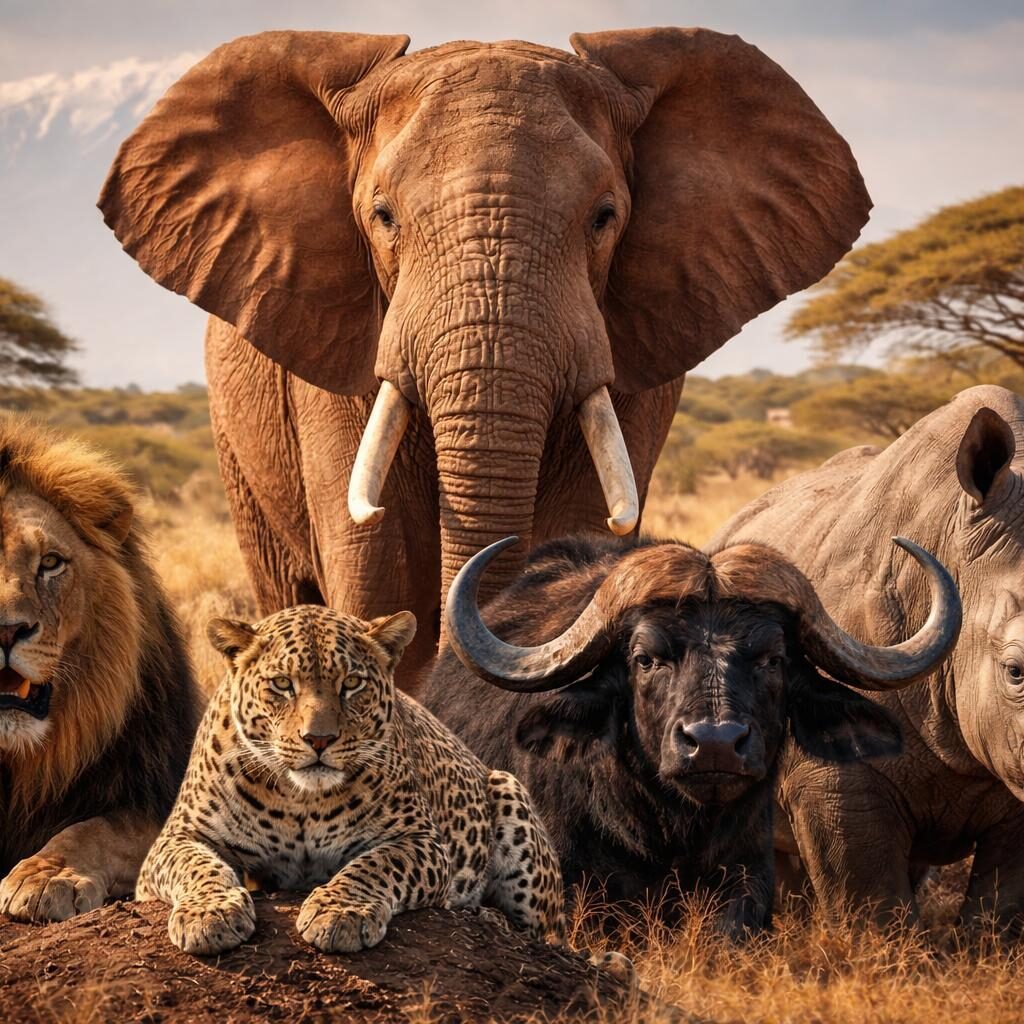
The Big Five are:
- African lion
- African leopard
- African elephant
- Black or white rhinoceros
- African buffalo
The term originally referred to some of Africa’s most challenging animals to hunt on foot. Today, it is primarily used in wildlife tourism and conservation to describe five iconic African mammals.
Kenya offers several different ecosystems where these animals can be encountered. The Maasai Mara, Amboseli, Tsavo East, Tsavo West, Nairobi National Park, Lake Nakuru, Ol Pejeta Conservancy and Meru National Park all contribute differently to a Big Five safari experience. Kenya Wildlife Service’s current wildlife-safari information highlights elephants, lions, rhinos and buffalo among the country’s iconic wildlife, while individual parks provide very different habitat and viewing experiences.
The key to planning a successful Big Five safari is therefore not simply asking “Which park has the Big Five?”
The better question is:
“Which combination of Kenyan wildlife destinations gives me the best opportunity to see the animals I care about while matching my time, budget and safari style?”
What Are the Big Five in Kenya?
1. Lion
The African lion is one of Kenya’s most iconic predators.
Kenya has important lion populations across several ecosystems, with the Maasai Mara, Tsavo, Amboseli, Laikipia and other conservation landscapes supporting lion populations. Kenya Wildlife Service identifies the Maasai Mara and Tsavo ecosystems among the country’s important lion areas.
The Maasai Mara is particularly renowned for big-cat viewing because its open grasslands provide excellent habitat for predators and their prey.
2. Leopard
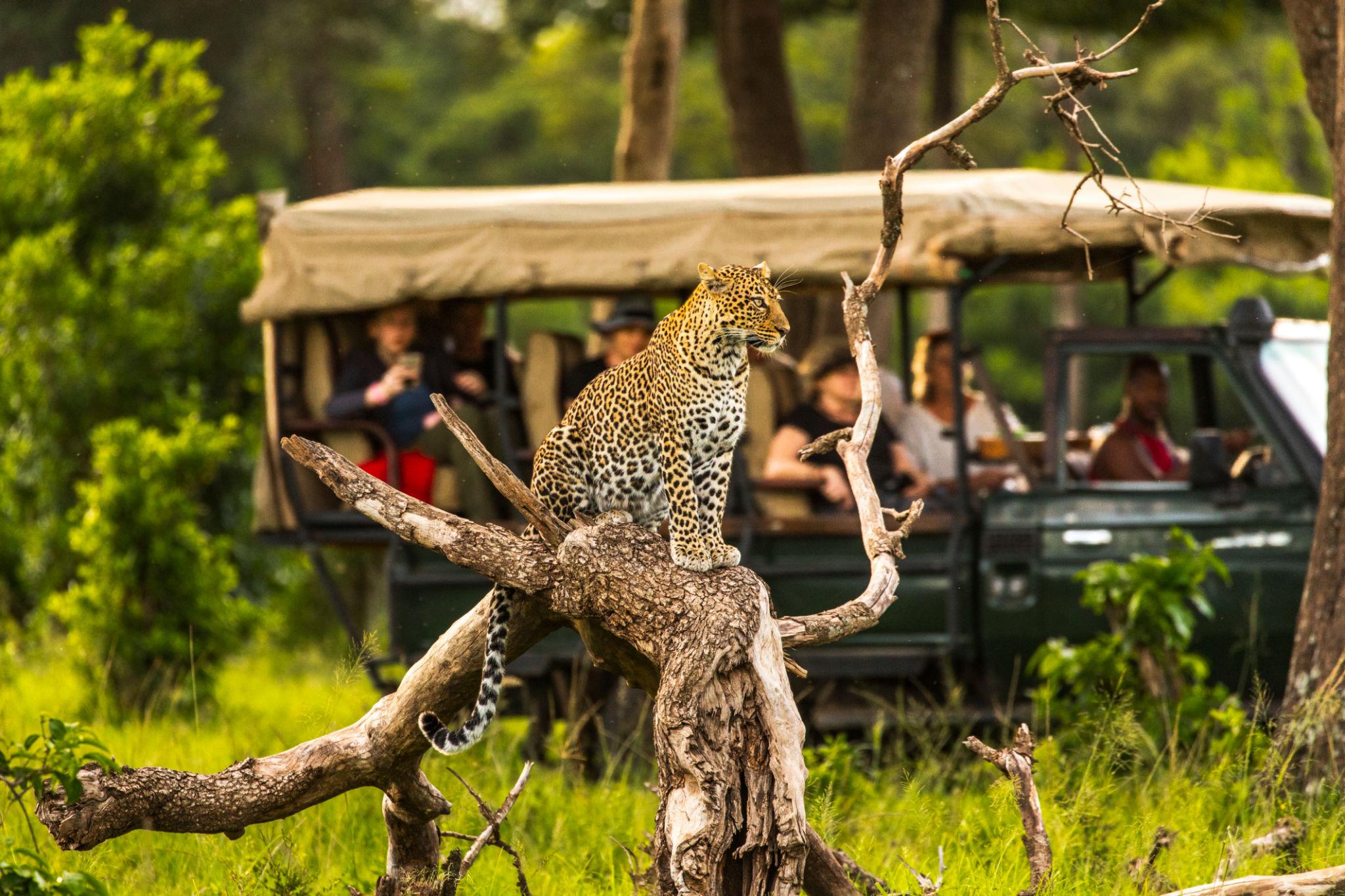
Leopards are among the most difficult Big Five animals to find.
They are solitary, elusive and often active around dawn, dusk or during the night.
A leopard sighting therefore requires patience and an experienced guide who understands local animal movements.
Leopards occur in several Kenyan safari ecosystems, including the Maasai Mara, Laikipia, Tsavo and other protected landscapes.
Tip: If finding a leopard is a major priority, tell your safari planner before booking. Your itinerary, guide allocation and time spent in suitable habitat can all influence your opportunities.
3. Elephant
Kenya is particularly well known for elephants.
Amboseli National Park is one of the country’s most famous elephant destinations. KWS describes Amboseli as the “Home of the African Elephant” and highlights its opportunities for close encounters with large elephant herds.
The park’s combination of open plains, wetlands and the dramatic Mount Kilimanjaro backdrop also creates some of Kenya’s most recognisable elephant photographs.
Elephants are also found in:
- Tsavo East
- Tsavo West
- Maasai Mara ecosystem
- Samburu/Laikipia landscapes
- Meru
- Ol Pejeta and surrounding Laikipia
KWS describes Tsavo East as a vast semi-arid ecosystem where elephants roam across open plains and acacia scrub.
4. Rhino
Kenya is one of the strongest destinations in Africa for travellers specifically interested in rhinos.
Both black and white rhinos can be encountered in different Kenyan conservation areas.
Important destinations include:
- Lake Nakuru National Park
- Nairobi National Park
- Ol Pejeta Conservancy
- Lewa Wildlife Conservancy
- Meru National Park
- Tsavo West Rhino Sanctuary
Nairobi National Park, for example, is home to a major rhino sanctuary, while KWS identifies the Tsavo West Rhino Sanctuary as one of the park’s key attractions.
Ol Pejeta Conservancy is particularly important for rhino conservation. Its current conservation information reports more than 180 Eastern black rhinos and also protects southern white rhinos.
5. African Buffalo
The African buffalo is one of the most widespread members of the Big Five across Kenya’s safari ecosystems.
Large herds can occur in:
- Maasai Mara
- Amboseli
- Tsavo
- Lake Nakuru
- Nairobi National Park
- Meru
- Ol Pejeta
Buffalo are often encountered grazing in open grasslands or around water.
Although they are sometimes overshadowed by lions, leopards and elephants in safari marketing, buffalo are a fascinating part of the African ecosystem and an important member of the Big Five.
Where Can You See the Big Five in Kenya?
Kenya has several destinations where travellers can encounter Big Five species, but the quality and likelihood of sightings varies between ecosystems and individual animals.
Here are the major destinations to consider.
| Destination | Lion | Leopard | Elephant | Rhino | Buffalo |
|---|---|---|---|---|---|
| Maasai Mara | ✓ | ✓ | ✓ | ✓ | ✓ |
| Amboseli | ✓ | Possible | Excellent | Possible | ✓ |
| Tsavo East | ✓ | ✓ | Excellent | ✓/possible | ✓ |
| Tsavo West | ✓ | ✓ | ✓ | Excellent sanctuary | ✓ |
| Ol Pejeta | ✓ | ✓ | ✓ | Excellent | ✓ |
| Meru | ✓ | ✓ | ✓ | Excellent | ✓ |
| Nairobi NP | ✓ | ✓ | ✗ | Excellent | ✓ |
| Lake Nakuru | ✓ | ✓ | ✗ | Excellent | ✓ |
This table should not be interpreted as a guarantee of sightings. Wildlife is free-ranging, and animal distribution changes seasonally.
KWS currently describes Meru National Park as a Big Five destination and notes its dedicated 44-square-kilometre Rhino Sanctuary, which protects more than 150 black and white rhinos.
Best Place for a Big Five Safari in Kenya
There isn’t one universal answer because the ideal destination depends on your priorities.
For a traveller seeking a classic all-round Big Five safari, the Maasai Mara ecosystem is one of Kenya’s most important choices.
For elephants, consider Amboseli and Tsavo.
For rhinos, consider Ol Pejeta, Lake Nakuru, Nairobi National Park, Meru or Tsavo West.
For a short safari from Nairobi, Nairobi National Park is exceptionally convenient.
For a combination of Big Five + conservation, Ol Pejeta provides a particularly strong experience.
For travellers who want a less conventional Big Five itinerary, Meru can provide a different northern Kenya experience.
Maasai Mara Big Five Safari
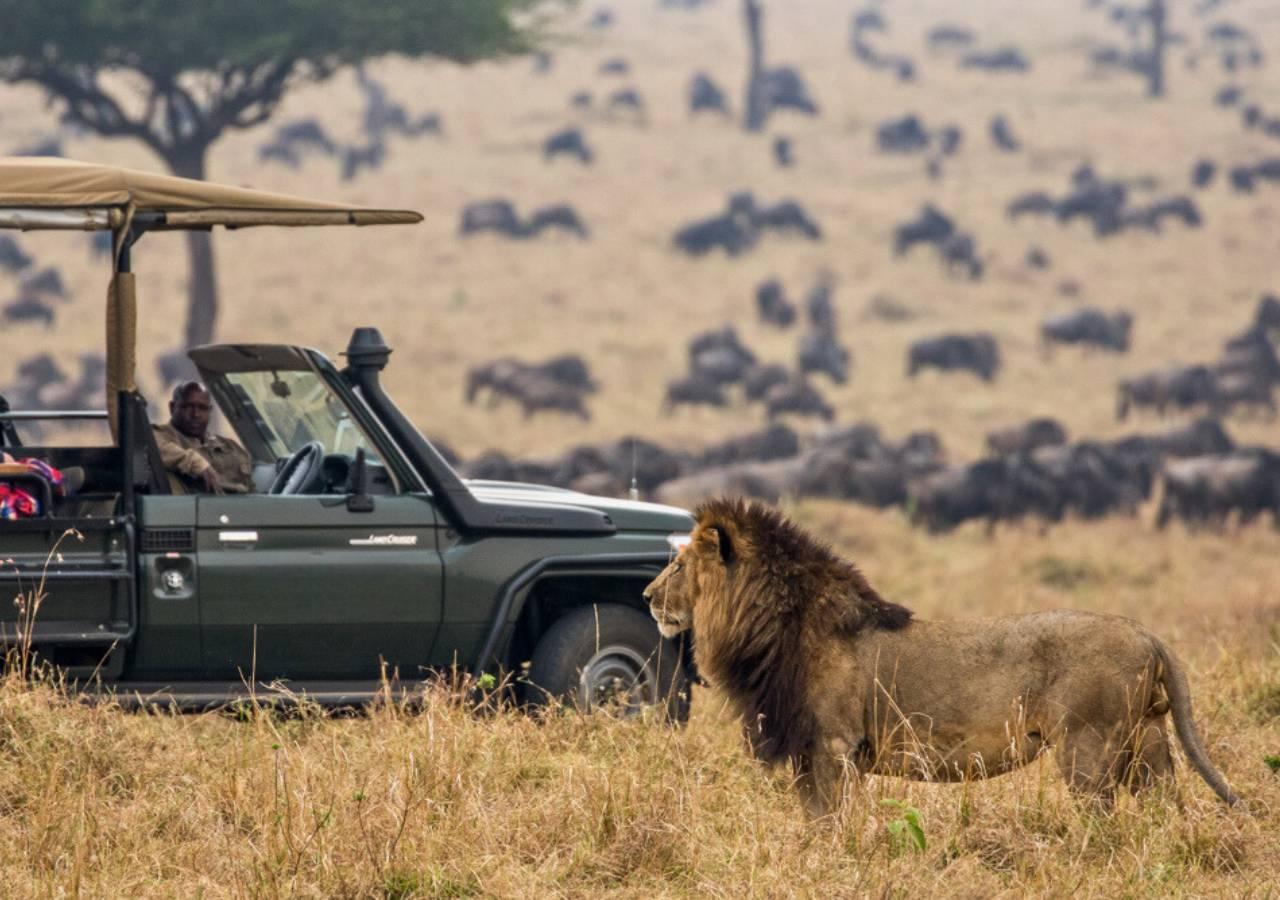
The Maasai Mara is arguably Kenya’s most famous safari landscape.
The wider Mara ecosystem forms part of the greater Mara–Serengeti ecosystem, and KWS wildlife census data documents substantial populations of elephants, buffalo, giraffes and other large mammals in the ecosystem.
The Mara is particularly attractive for:
- Lions
- Leopards
- Elephants
- Buffalo
- Rhinos
- Cheetahs
- Wildebeest
- Zebra
- Giraffes
- Hyenas
It is also the Kenyan destination most closely associated with the Great Wildebeest Migration.
A Big Five safari can therefore be combined with a Migration-focused itinerary during the relevant seasonal period.
Best for:
First-time Kenya safari + Big Five + big cats + Migration
Amboseli Big Five Safari
Amboseli offers a very different experience.
KWS describes it as the Home of the African Elephant, with large elephant herds, open grasslands, acacia woodland and the iconic Mount Kilimanjaro backdrop.
The destination is particularly valuable for photographers because elephants can be photographed against one of Africa’s most recognisable mountain landscapes.
Amboseli is also home to:
- Lions
- Buffalo
- Giraffes
- Zebras
- Hyenas
- Hippos
- Numerous bird species
However, if your sole objective is to tick every Big Five animal, do not assume Amboseli alone will deliver all five.
Best strategy: combine Amboseli with another destination such as Maasai Mara or Tsavo.
Tsavo Big Five Safari
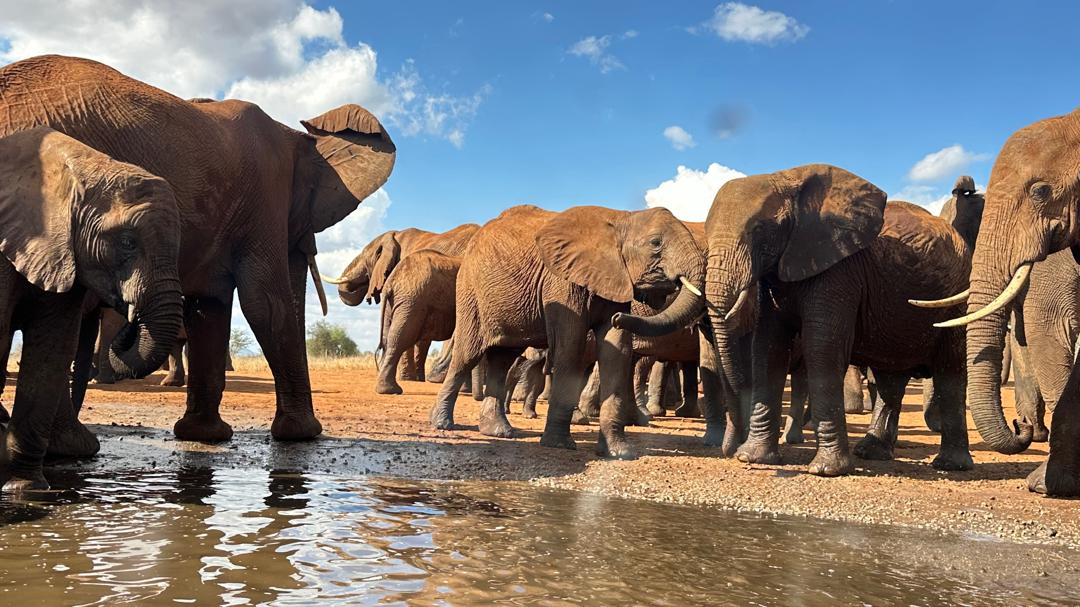
The Tsavo ecosystem is one of Kenya’s largest and most important wildlife landscapes.
Tsavo East is Kenya’s largest national park, covering approximately 13,747 square kilometres, while Tsavo East and Tsavo West together form the much larger Tsavo Conservation Area.
Tsavo is particularly known for:
- Elephants
- Lions
- Buffalo
- Leopards
- Rhinos
- Giraffes
- Gerenuks
- Hirola
- Diverse birdlife
Tsavo West additionally offers the Tsavo West Rhino Sanctuary, Mzima Springs, volcanic landscapes and Lake Jipe. KWS describes the park as supporting the Big Five.
Best for:
Large wilderness + elephants + Big Five + fewer conventional safari routes
Ol Pejeta Big Five Safari
Ol Pejeta Conservancy in Laikipia is one of the strongest destinations for a conservation-focused Big Five safari.
The conservancy protects:
- Black rhinos
- White rhinos
- Lions
- Leopards
- Elephants
- Buffalo
- Chimpanzees
- Grevy’s zebra
- Giraffes
- Cheetahs
Ol Pejeta currently reports high predator densities, including resident lions and leopards, while elephants can move through the conservancy as part of the wider Laikipia ecosystem.
Its conservation programmes also make the destination particularly relevant to travellers interested in the relationship between tourism and wildlife protection.
Best for:
Big Five + rhino conservation + exclusive/private safari experiences
Meru National Park Big Five Safari
Meru is an excellent destination to consider if you want to move beyond Kenya’s most heavily marketed safari circuits.
KWS currently describes Meru as home to the Big Five and highlights its dedicated rhino sanctuary containing more than 150 black and white rhinos.
The park also supports Kenya’s so-called Northern Specials, including:
- Reticulated giraffe
- Grevy’s zebra
- Somali ostrich
- Lesser kudu
This makes Meru useful for travellers who want both Big Five species and a broader northern Kenya wildlife experience.
Nairobi National Park Big Five Safari
Nairobi National Park is a fascinating exception.
The park is only about 8 kilometres from Nairobi’s Central Business District, yet it supports four of the traditional Big Five: lion, leopard, buffalo and rhino. Elephants are absent. KWS also records more than 400 bird species.
This makes it ideal for:
- Short safari trips
- Business travellers
- Airport stopovers with sufficient time
- Families staying in Nairobi
- Travellers starting a longer Kenya safari
If elephants are essential to your Big Five checklist, however, Nairobi National Park needs to be combined with another destination.
Lake Nakuru Big Five Safari
Lake Nakuru is particularly important for rhino viewing.
Its other attractions include:
- Lions
- Leopards
- Buffalo
- Giraffes
- Zebras
- Flamingos
- Waterbirds
It is particularly useful for travellers combining rhino viewing with the Rift Valley and Maasai Mara.
A popular route is:
Nairobi → Lake Nakuru → Maasai Mara
This provides a logical progression from a short wildlife experience into a longer savannah safari.
Can You See All Big Five in One Kenya Safari?
Yes, it is possible, but no ethical safari operator should guarantee that you will see all five.
Wild animals move freely and sightings depend on:
- Season
- Weather
- Time of day
- Habitat
- Animal behaviour
- Recent sightings
- Guide experience
- Number of days spent on safari
The best approach is to build an itinerary that spends enough time across ecosystems where the target species occur.
A 5–8 day safari gives considerably more flexibility than attempting to tick the Big Five during a single game drive.
Best Big Five Safari Itineraries in Kenya
4-Day Big Five Kenya Safari
Day 1: Nairobi → Maasai Mara
Day 2: Full-day Maasai Mara game drive
Day 3: Full-day Maasai Mara safari
Day 4: Maasai Mara → Nairobi
This is a compact option focused heavily on the Mara ecosystem.
5-Day Big Five Kenya Safari
Day 1: Nairobi → Lake Nakuru
Day 2: Lake Nakuru → Maasai Mara
Day 3: Full-day Maasai Mara
Day 4: Full-day Maasai Mara
Day 5: Maasai Mara → Nairobi
This route adds stronger rhino opportunities at Lake Nakuru.
7-Day Kenya Big Five Safari
Day 1: Nairobi → Amboseli
Day 2: Amboseli full-day safari
Day 3: Amboseli → Lake Naivasha/Nakuru
Day 4: Lake Nakuru → Maasai Mara
Day 5: Maasai Mara full-day safari
Day 6: Maasai Mara full-day safari
Day 7: Maasai Mara → Nairobi
This is a more comprehensive route combining elephants, rhinos, big cats and the Mara ecosystem.
How Much Does a Big Five Safari in Kenya Cost?
The cost depends heavily on accommodation category, group size, season, transport and the number of parks.
As a practical planning guide:
| Safari Category | Approximate Cost Per Person/Day |
|---|---|
| Budget/shared | US$300–500+ |
| Mid-range | US$350–650+ |
| Luxury | US$700–1,000+ |
| Ultra-luxury/private | US$1,000+ |
These are indicative planning ranges, not fixed market prices.
Your actual quote can change significantly depending on:
- Number of travellers
- Private vs shared safari
- Travel season
- Lodge/camp
- Park entry fees
- Safari vehicle
- Fuel
- Domestic flights
- Number of nights
- Activities
- Guide services
For a current Kenya safari, park fees should be checked against the applicable KWS rates when preparing the quotation.
Best Time for a Big Five Safari in Kenya
Kenya is a year-round safari destination, but different seasons provide different experiences.
January–March
Generally useful for wildlife viewing, with relatively dry conditions in many areas.
April–May
The long rains can create lush green landscapes.
This period can be particularly attractive to photographers seeking dramatic skies and fresh scenery, although wet conditions may affect road access.
June–October
This is one of the most popular periods for Kenya safaris.
It also overlaps with the famous Great Wildebeest Migration period in the Maasai Mara ecosystem.
November–December
The short rains can produce green landscapes and excellent photographic conditions.
Best time to see the Big Five?
Rather than choosing a month solely because it is advertised as “the best,” consider the specific animals you want to see.
For example:
Elephants → Amboseli/Tsavo
Rhinos → Ol Pejeta/Lake Nakuru/Nairobi NP/Meru/Tsavo West
Big cats → Maasai Mara
Migration + Big Five → Maasai Mara during the relevant migration season
Big Five Safari Kenya vs Tanzania
Kenya and Tanzania both offer exceptional Big Five safari experiences.
Kenya’s strengths include:
- Maasai Mara
- Amboseli
- Tsavo
- Lake Nakuru
- Ol Pejeta
- Nairobi National Park
- Strong conservancy model
- Excellent combination with a coastal holiday
Tanzania offers destinations such as:
- Serengeti
- Ngorongoro
- Tarangire
- Ruaha
- Nyerere
Rather than choosing based on a generic “best country” claim, the right choice depends on your preferred wildlife, itinerary length, budget, season and whether you want to combine safari with other experiences.
For travellers interested in the Great Migration, the Kenya–Tanzania ecosystem should be viewed as one connected ecological system rather than two completely separate wildlife worlds.
What Makes a Big Five Safari Different From a Normal Kenya Safari?
A normal Kenya safari might focus on general wildlife viewing.
A Big Five safari adds a specific objective:
finding lion + leopard + elephant + rhino + buffalo.
This changes how you plan your trip.
Instead of simply asking:
“Which park should I visit?”
you should ask:
- Which species do I most want to see?
- How many days do I have?
- Do I prefer private or shared safari?
- Do I want luxury or mid-range accommodation?
- Am I interested in conservation?
- Do I want the Great Migration?
- Do I want elephants against Mount Kilimanjaro?
- Do I want rhinos?
- Do I want to include Kenya’s coast?
This approach produces a more realistic and personalised safari.
Big Five Safari Photography Tips
Bring:
- Camera body
- Telephoto lens
- Wide-angle lens
- Extra batteries
- Memory cards
- Beanbag or camera support
- Binoculars
- Lens cleaning cloth
Early morning and late afternoon usually provide softer light and more comfortable temperatures.
For Big Five photography, patience is more important than constantly moving.
A good guide may spend considerable time observing animal behaviour before moving on.
Responsible Big Five Safari in Kenya
A Big Five safari should never become a race to collect animal sightings.
Responsible wildlife tourism means:
- Keeping a respectful distance
- Staying inside the vehicle where required
- Following park rules
- Avoiding loud noises
- Never feeding wildlife
- Avoiding off-road driving where prohibited
- Respecting local communities
- Supporting conservation-focused operators
- Choosing accommodation that contributes to local conservation and community initiatives
KWS park rules generally require visitors to remain in vehicles except in designated areas, stay on established roads and trails, observe speed limits and avoid disturbing wildlife.
The objective should be to observe wildlife without changing its natural behaviour.
Frequently Asked Questions About Big Five Safaris in Kenya
What are the Big Five animals in Kenya?
The Big Five are the lion, leopard, elephant, rhinoceros and African buffalo.
Where is the best place to see the Big Five in Kenya?
The Maasai Mara ecosystem is one of Kenya’s major destinations for Big Five viewing, while destinations such as Ol Pejeta, Meru, Tsavo and other parks offer different combinations and specialised wildlife experiences.
Can you see all Big Five in Kenya?
Yes, it is possible, but sightings cannot be guaranteed because these are free-ranging wild animals.
Which Kenyan Park has the Big Five?
Several Kenyan destinations support Big Five species. KWS currently identifies Meru National Park as a Big Five destination, while Tsavo West and the Maasai Mara ecosystem also support the relevant species.
Where is the best place to see rhinos in Kenya?
Important rhino destinations include Ol Pejeta, Lake Nakuru, Nairobi National Park, Meru and Tsavo West. Ol Pejeta currently reports more than 180 Eastern black rhinos.
Where can I see elephants in Kenya?
Amboseli and Tsavo are particularly notable elephant destinations. KWS describes Amboseli as the Home of the African Elephant and Tsavo East as a major elephant landscape.
Can I see the Big Five in Nairobi National Park?
You can see four of the traditional Big Five there: lion, leopard, buffalo and rhino. Elephants are not found in Nairobi National Park.
How many days do I need for a Big Five safari in Kenya?
A 4–5 day safari can provide a strong introduction, while 6–8 days gives more flexibility to combine multiple ecosystems.
How much does a Big Five safari in Kenya cost?
Indicative costs range from roughly US$150–250+ per person per day for budget/shared safaris, US$250–450+ for mid-range, and US$500+ for luxury, depending on inclusions and season.
What is the best month for a Big Five safari in Kenya?
There is no single universally best month. Dry-season months can offer favourable wildlife viewing, while the green seasons provide different scenery and birding opportunities. The best period also depends on whether you prioritise the Big Five, Migration, photography or budget.
Can I combine a Big Five safari with the beach?
Yes. Kenya makes it possible to combine a safari with destinations such as Diani Beach, Mombasa, Watamu or the Lamu archipelago.
Plan Your Big Five Safari in Kenya With Bunuli Safaris
Seeing Kenya’s Big Five is about much more than ticking five names from a list.
It is about experiencing lions moving across the Mara plains, elephants beneath Mount Kilimanjaro, rhinos in protected sanctuaries, leopards disappearing into woodland and buffalo herds moving across the savannah.
Bunuli Safaris can design a private or small-group Kenya safari around the wildlife experiences that matter most to you.
Your itinerary can combine:
- Maasai Mara
- Amboseli National Park
- Lake Nakuru
- Ol Pejeta Conservancy
- Nairobi National Park
- Tsavo East
- Tsavo West
- Meru National Park
- Samburu
- Kenya’s coast
Ready to plan your Big Five safari?
Contact Bunuli Safaris for a personalised Kenya Big Five safari quotation, including accommodation, transport, park fees, game drives and other activities based on your preferred travel dates and safari style.
Whether you are looking for a 4-day Big Five safari from Nairobi, a 7-day Kenya wildlife safari, a luxury Big Five safari, or a Kenya safari combined with the beach, we can build the itinerary around your priorities.