Introduction
The best time to visit Tanzania depends on what you want to experience.
For the best overall safari conditions, June to October is the classic dry-season window, with generally lower rainfall, thinner vegetation and easier wildlife viewing. For the Great Migration, the best month depends on where the herds are: January to March is associated with calving in the southern Serengeti, while July to October offers opportunities to see the migration in northern Serengeti, including Mara River crossings.
However, Tanzania is not simply a “June to October” destination.
January and February can be exceptional for wildebeest calving and predator activity. November and December bring greener landscapes, migratory birds and generally fewer visitors. April and May are the wettest months and can offer lower-season travel opportunities, although heavy rain can affect some roads, camps and safari logistics.
If your Tanzania holiday combines Serengeti safari, Ngorongoro Crater, Mount Kilimanjaro and Zanzibar, the ideal travel dates should therefore be selected around your priorities rather than a single “best month.”
Tanzania Safari Seasons at a Glance
| Season | Months | What to Expect | Best For |
|---|---|---|---|
| Dry Season | June–October | Dry weather, thinner vegetation, concentrated wildlife | Classic safari, photography, first-time visitors |
| Short Rains | November–December | Green landscapes, showers, fewer crowds | Birding, photography, value travel |
| Calving Season | January–March | Newborn wildebeest, predator activity | Migration, wildlife photography |
| Long Rains | April–May | Lush scenery, heavier rain, fewer tourists | Lower-season travel, private experiences |
Tanzania has considerable regional variation. The northern and eastern areas experience distinct short and long rainy periods, while southern, western and central areas have somewhat different rainfall patterns. Altitude also significantly affects temperatures, particularly around Ngorongoro and Mount Kilimanjaro.
Best Time to Visit Tanzania for a Safari
For a traditional Tanzania safari, June to October is generally the easiest period for wildlife viewing.
During the dry months, vegetation becomes less dense and animals increasingly gather around permanent water sources. This can make wildlife easier to locate, particularly in areas where seasonal water sources have dried up. Tanzania’s national parks authority similarly identifies the dry season as generally favorable for wildlife viewing.
This period is particularly suitable for combining:
- Serengeti National Park
- Ngorongoro Crater
- Tarangire National Park
- Lake Manyara National Park
- Ruaha National Park
- Nyerere National Park
- Kilimanjaro
- Zanzibar
However, dry season does not automatically mean “better” for every traveller.
June to October is also one of the most popular travel periods, meaning accommodation in high-demand areas can sell out earlier and safari prices can be higher.
Best overall safari months
If you want the simplest answer:
June, July, August, September and October are strong choices for a classic Tanzania safari.
For a more specific experience:
- January–February: wildebeest calving
- June–July: migration moving through the western/central Serengeti
- July–October: northern Serengeti and potential Mara River crossings
- November–December: green landscapes and birding
The exact movement of the migration varies from year to year because the herds respond to rainfall and grazing conditions.
Best Time to See the Great Migration in Tanzania
The Great Migration is not a single annual event occurring on one fixed date.
The wildebeest, zebra and other grazing animals move through the Serengeti ecosystem throughout the year, following rainfall and fresh grazing.
 January to March: Calving Season
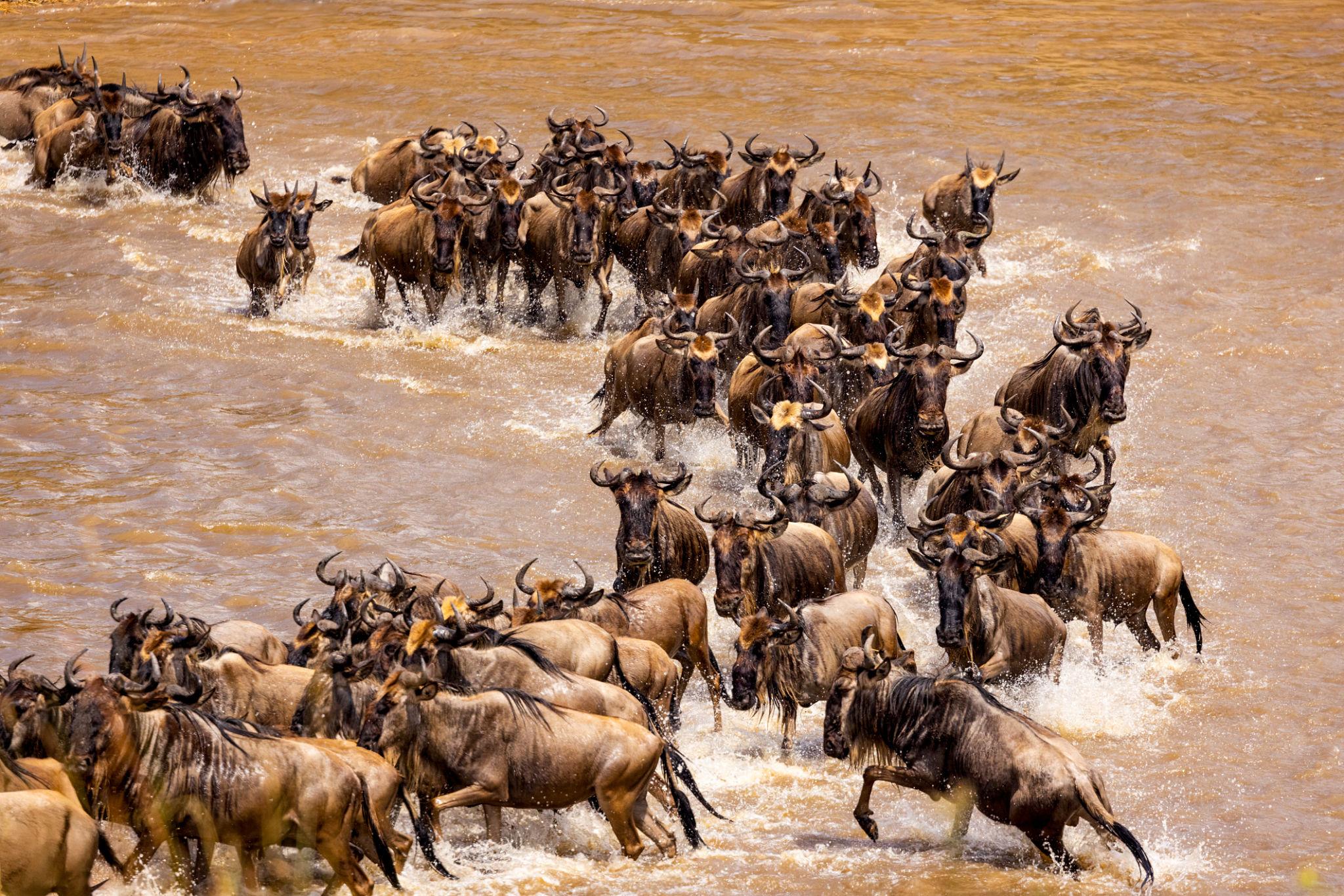
The southern Serengeti and Ndutu region become particularly important during the calving period.
This is one of the most interesting times for travellers interested in:
- Wildebeest calves
- Predator activity
- Wildlife photography
- Family safari experiences
- Dramatic wildlife interactions
- Fewer visitors than the peak dry season
January and February are particularly associated with calving, although exact timing varies.
June to July: Western and Central Serengeti
As the season progresses, the herds move north and west through the Serengeti ecosystem.
June and July can be rewarding for travellers interested in following the migration rather than focusing exclusively on the famous river crossings.
July to October: Northern Serengeti
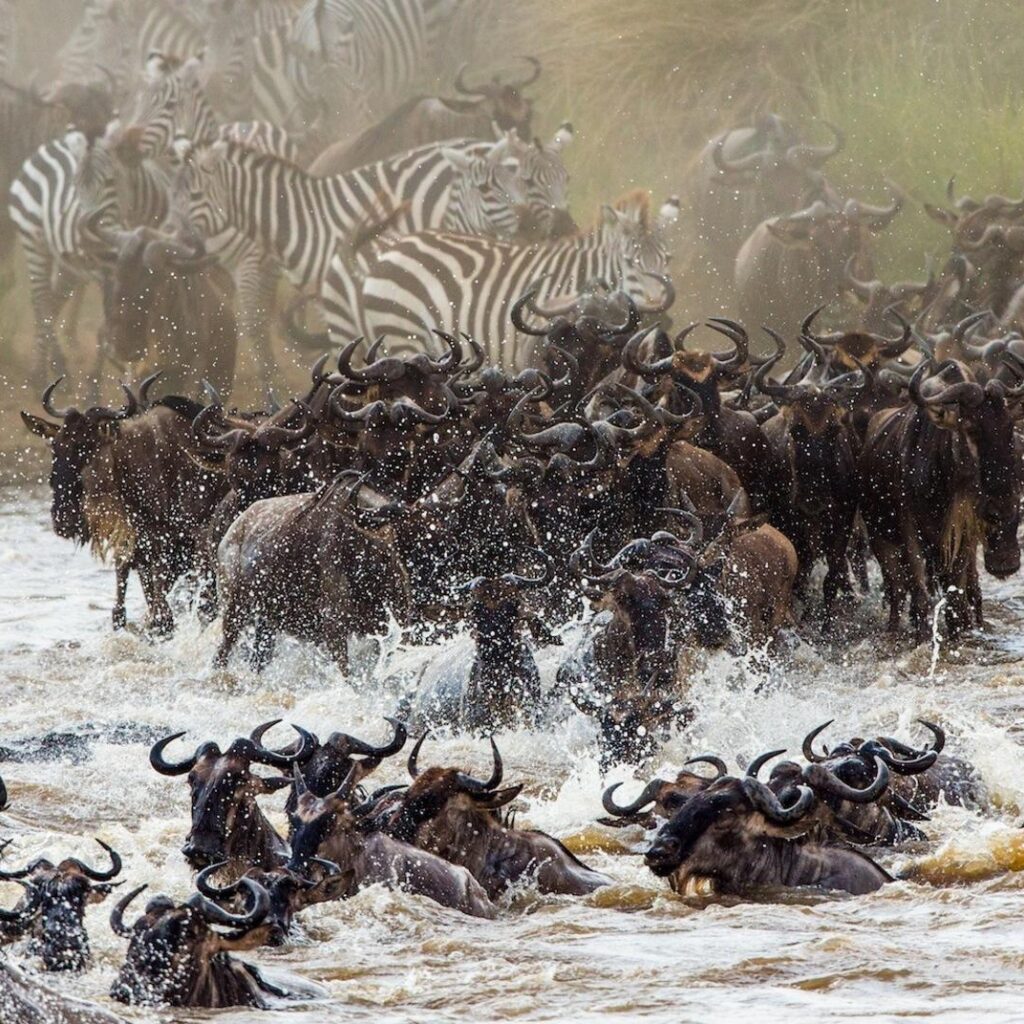
This is the period most commonly associated with Mara River crossing safaris.
The crossings can occur at different locations and times, and there is no guarantee that a particular crossing will happen during a specific safari date.
Therefore, a professional itinerary should allow enough time in the northern Serengeti rather than treating a river crossing as a scheduled event.
Tanzania Tourism identifies July to September as a particularly popular period for the northern migration, while other tourism guidance places the broader river-crossing window around July to October.
October to December: Migration Moves South
As rainfall patterns change, the herds gradually begin moving south again.
November and December can therefore provide an interesting combination of:
migration + green scenery + birdlife + fewer visitors.
Best Time to Visit Tanzania Month by Month
January
January is a strong month for a Tanzania safari, particularly if your priority is the southern Serengeti.
The landscape can be green, temperatures are generally warm, and the migration is associated with the calving grounds.
Best for: calving season, predators, photography and green landscapes.
February
February is one of the most sought-after months for travellers specifically interested in wildebeest calving.
Newborn animals attract predators, creating excellent opportunities for wildlife photography and observation.
Best for: wildebeest calving, predator sightings and photographers.
March
March can still offer excellent wildlife experiences, although rainfall becomes increasingly important as the month progresses.
The landscapes remain green and birdlife can be excellent.
Best for: wildlife, birding and travellers seeking greener scenery.
April
April falls within Tanzania’s long-rain period.
This is not necessarily a month to avoid altogether. It can appeal to travellers who value fewer visitors, lush scenery and potentially lower seasonal rates.
However, heavy rainfall can affect some roads and safari logistics, and some seasonal properties may close.
Best for: quieter safaris, green landscapes and travellers comfortable with rain.
May
May continues the long-rain season.
The country can look spectacularly green, while visitor numbers are generally lower than during the main dry season.
For travellers prioritising predictable road conditions and consistently dry game-drive weather, however, June onward is generally easier.
Best for: low-season travel, photography and private safari experiences.
June
June marks the beginning of one of Tanzania’s most popular safari periods.
Rainfall generally decreases, landscapes begin drying out and wildlife viewing becomes increasingly favorable.
The migration also begins moving northward through the Serengeti ecosystem.
Best for: classic safari, migration and Kilimanjaro.
July
July is one of Tanzania’s busiest safari months.
It combines dry conditions with strong opportunities for wildlife viewing and the possibility of seeing the migration in northern Serengeti.
For travellers planning a July safari, advance accommodation planning is particularly important.
Best for: Great Migration, northern Serengeti and classic Tanzania safari.
August
August offers dry weather and excellent safari conditions across many northern Tanzania destinations.
It is also a major month for travellers hoping to experience the northern Serengeti migration.
Best for: migration, wildlife photography and family safaris.
September
September remains within the core dry season.
The combination of relatively dry conditions, good wildlife visibility and the northern migration makes it one of the most popular periods for a Tanzania safari.
Best for: Serengeti, Ngorongoro, northern migration and wildlife photography.
October
October can be an excellent shoulder-season option.
Conditions are generally still dry, while the migration begins its transition southward.
Tarangire can also be particularly rewarding during the dry period because wildlife concentrates around available water and surrounding seasonal movements bring animals into the park.
Best for: safari, Tarangire, photography and travellers seeking a balance between seasons.
November
November introduces the short rains in many northern areas.
These showers help transform the landscape, while migratory birds begin arriving.
The rain does not necessarily mean that safari is cancelled; rather, travellers should expect changing conditions and occasional showers.
Best for: birding, photography, green scenery and quieter safaris.
December
December can be a rewarding month for Tanzania, especially around the festive season.
The landscapes become greener and the migration begins moving toward the southern Serengeti and calving grounds.
Demand can increase around Christmas and New Year, so travelling during the festive period does not necessarily mean low-season prices.
Best for: green-season safari, birding, migration and combined safari-beach holidays.
Best Time to Visit Serengeti National Park
The Serengeti is a year-round safari destination, but different regions become more interesting at different times.
| Months | Serengeti Experience |
|---|---|
| Jan–Feb | Calving in southern Serengeti |
| Mar–May | Green landscapes and migration movement |
| Jun–Jul | Western/central migration |
| Aug–Sep | Northern Serengeti and possible Mara crossings |
| Oct | Northern migration and movement south |
| Nov–Dec | Green season and return toward southern plains |
The important lesson is that the best time to visit Serengeti depends on where you want to be in the ecosystem.
Best Time to Visit Ngorongoro Crater
Ngorongoro Crater can be visited throughout the year and is particularly useful in a northern Tanzania itinerary because wildlife viewing does not depend on following the Great Migration in the same way as the Serengeti.
For travelers wanting a drier safari experience, June to October is a practical window.
However, the crater can also be rewarding during greener months when the landscape is lush.
A Tanzania safari combining Serengeti + Ngorongoro + Tarangire therefore works in several seasons rather than only during peak dry season.
Best Time to Visit Tarangire National Park
For Tarangire, June to October is particularly strong.
During the dry season, wildlife congregates around the Tarangire River and other remaining water sources, while animals also move into the park from surrounding areas.
Tarangire is therefore an excellent addition to an itinerary during the dry season.
For travellers visiting during November–May, the park can still be worthwhile, but wildlife distribution is generally less concentrated than during the dry months.
Best Time to Climb Mount Kilimanjaro
Mount Kilimanjaro has its own high-altitude climate, so the best climbing periods differ somewhat from a conventional safari calendar.
The commonly preferred windows are:
- January–March
- June–October
These periods generally offer more favorable trekking conditions than the wetter months, although mountain weather can change rapidly and no summit attempt has guaranteed conditions.
For travelers combining Kilimanjaro with safari, June to October can be especially convenient because it aligns well with the main dry safari season.
Best Time to Visit Zanzibar
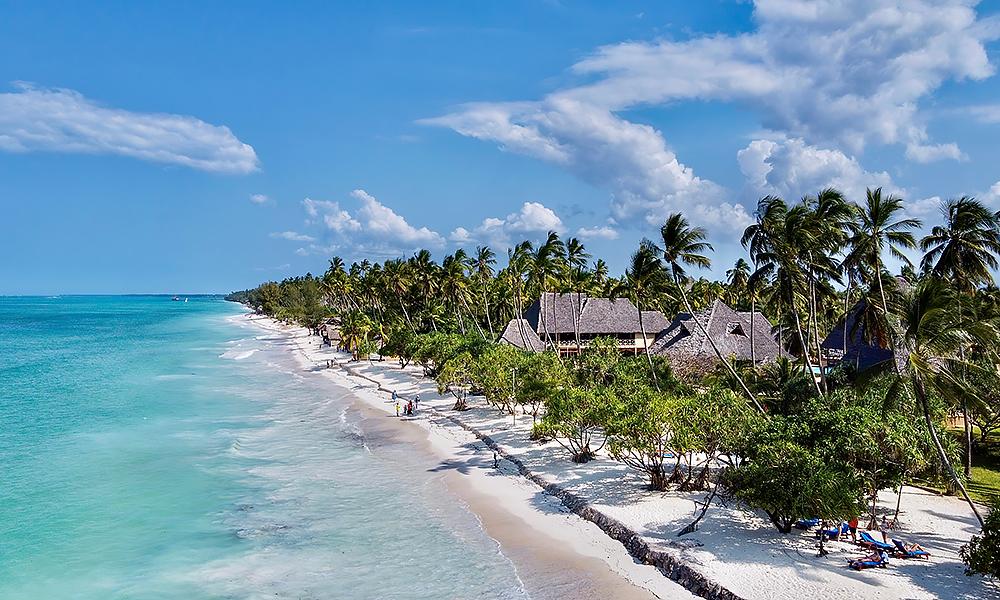
Zanzibar is a year-round tropical destination, but rainfall patterns matter when planning a beach extension.
June to October is generally a strong period for dry, comfortable beach weather.
December to February can also be popular for beach holidays, although conditions are warmer and more humid.
April and May are the main months to consider carefully if your priority is consistently dry beach weather because they coincide with heavier rains.
For a classic Tanzania safari and Zanzibar holiday, June to October offers one of the simplest combinations of safari and beach conditions.
What Is the Cheapest Time to Visit Tanzania?
If your priority is controlling safari costs, the long-rain season, particularly April and May, is generally associated with lower visitor demand.
However, “cheapest” should not automatically mean “best value.”
A lower accommodation rate can be attractive, but travellers should also consider:
- Road conditions
- Camp operating seasons
- Weather tolerance
- Park selection
- Domestic flight schedules
- Safari duration
- Wildlife priorities
November can also offer a useful shoulder-season compromise, combining greener scenery with fewer visitors than the core dry season.
Best Time to Visit Tanzania for Fewer Crowds
For travellers prioritising quieter experiences, consider:
April–May: lowest visitor numbers in many safari areas, but wetter conditions.
November: greener scenery and generally fewer visitors.
Early June or October: useful shoulder-season alternatives depending on the destination and current conditions.
Peak periods such as July–September are popular because they combine favorable weather with major migration opportunities.
Best Time to Visit Tanzania for Photography
Photography opportunities change throughout the year.
For wildlife action:
January–February
Calving creates opportunities to photograph newborn animals and predator interactions.
For dramatic landscapes:
November–May
Green landscapes, clouds and changing light can produce highly distinctive images.
For classic safari photography:
June–October
Dry vegetation and concentrated animals can make wildlife easier to locate and photograph.
For migration photography:
July–October
Northern Serengeti offers opportunities to photograph migration activity, including potential river crossings.
Is Tanzania Worth Visiting During the Rainy Season?
Yes.
Rainy-season Tanzania is not simply a “bad safari season.”
The major advantages can include:
- Green landscapes
- Fewer vehicles
- Excellent birding
- Dramatic skies
- Newborn wildlife
- Potentially better accommodation value
- More intimate safari experiences
The trade-off is that some roads can become muddy, rainfall can interrupt activities, and some seasonal camps may close during the wettest period.
The right question is therefore not “Does it rain?” but:
“What type of Tanzania experience do I want?”
When Should You Book a Tanzania Safari?
For peak-season travel, particularly July to September, booking several months ahead is sensible because popular camps, lodges and specific Serengeti locations can have limited availability.
This becomes especially important for:
- Great Migration safaris
- Luxury Tanzania safaris
- Family safaris
- Honeymoons
- Private 4×4 safaris
- Kilimanjaro + safari combinations
- Safari + Zanzibar holidays
Travellers with flexible dates can often create better options by choosing a shoulder or green-season period rather than targeting the busiest weeks.
Best Time to Visit Tanzania by Travel Interest
| Travel Goal | Recommended Period |
|---|---|
| Overall Tanzania safari | June–October |
| Great Migration | Year-round, depending on location |
| Wildebeest calving | January–February |
| Mara River crossings | Usually July–October |
| Serengeti safari | Year-round |
| Ngorongoro Crater | Year-round; June–October for dry conditions |
| Tarangire | June–October |
| Bird watching | November–April |
| Kilimanjaro | January–March and June–October |
| Zanzibar | June–October and December–February |
| Fewer crowds | April–May, November |
| Green landscapes | November–May |
| Lower-season travel | April–May |
| Classic dry safari | June–October |
Tanzania Safari: Choosing the Right Month for Your Trip
There is no universal “best month” for every Tanzania traveller.
Instead, choose your travel window based on the experience you want:
Want the Great Migration river crossings?
Plan around July–October and focus on northern Serengeti.
Want wildebeest calving and predator action?
Target January–February in the southern Serengeti/Ndutu area.
Want classic dry-season wildlife viewing?
Choose June–October.
Want green landscapes and birding?
Consider November–April.
Want fewer visitors and potentially better seasonal value?
Consider April–May or November, while understanding the weather trade-offs.
Want Kilimanjaro and safari together?
January–March or June–October can work well.
Want safari and Zanzibar?
June–October is a straightforward combination, while December–February can also work well for the coast.
Plan Your Tanzania Safari With Bunuli Safaris
The best Tanzania safari is not necessarily the one booked during the most famous month. It is the one where your travel dates, safari route, park selection, accommodation level and wildlife priorities work together.
At Bunuli Safaris, we can help design a Tanzania itinerary around the experience you actually want—from a classic Serengeti and Ngorongoro safari to a Great Migration safari, Kilimanjaro and safari combination, or Tanzania safari followed by Zanzibar.
Ready to choose your ideal Tanzania travel dates? Contact Bunuli Safaris with your preferred month, number of travelers, trip duration and interests, and we can build a personalized Tanzania safari itinerary around the season.
Frequently Asked Questions: Best Time to Visit Tanzania
What is the best month to visit Tanzania?
For general safari conditions, June to October is the most reliable window. However, January and February can be better for travellers specifically targeting wildebeest calving.
What are the best months for a Tanzania safari?
June through October is the classic dry-season safari period. January–February is particularly strong for the southern Serengeti calving season.
What is the rainy season in Tanzania?
Tanzania’s northern and eastern regions generally experience short rains around November–December and long rains around March–May. Regional variation is significant.
Can I visit Tanzania in April and May?
Yes. April and May are wetter, but they can offer lush scenery, fewer visitors and potentially lower seasonal rates. Some roads and accommodation operations can be affected by heavy rainfall.
When is the Great Migration in Tanzania?
The Great Migration occurs throughout the year. Calving is associated with January–March in the southern Serengeti, while the northern Serengeti is particularly important around July–October.
When is the best time to see wildebeest crossing the Mara River?
The commonly targeted period is July–October, but river crossings are natural events and cannot be guaranteed on a particular day.
Is December a good time to visit Tanzania?
Yes. December can provide green landscapes, good wildlife viewing and birding opportunities, while the migration is moving toward the southern Serengeti.
Is Tanzania good for safari all year?
Yes. Tanzania’s major safari destinations can be visited throughout much of the year, although wildlife distribution, rainfall, road conditions, visitor numbers and accommodation availability vary by season.
What is the best time to visit Tanzania and Zanzibar?
June–October is a particularly straightforward period for combining safari with Zanzibar because both destinations generally experience favorable conditions.
What is the best time to visit Tanzania for first-time safari travellers?
June–October is the easiest recommendation for travelers who prioritize dry conditions and straightforward wildlife viewing. However, a first-time traveler interested in calving, photography or fewer visitors may prefer another season.
How many days do I need for a Tanzania safari?
A well-designed northern Tanzania safari can work in around 5–7 days, while 8–10+ days allows more time for Serengeti, Ngorongoro, Tarangire and additional experiences without rushing between destinations.