Introduction
Serengeti National Park is one of Africa’s premier safari destinations, renowned for the Great Wildebeest Migration, exceptional big-cat sightings, vast savannah plains, and outstanding year-round wildlife viewing. Located in northern Tanzania, the park offers opportunities to see lions, leopards, cheetahs, elephants, buffaloes, giraffes, zebras, and hundreds of bird species in their natural habitats.


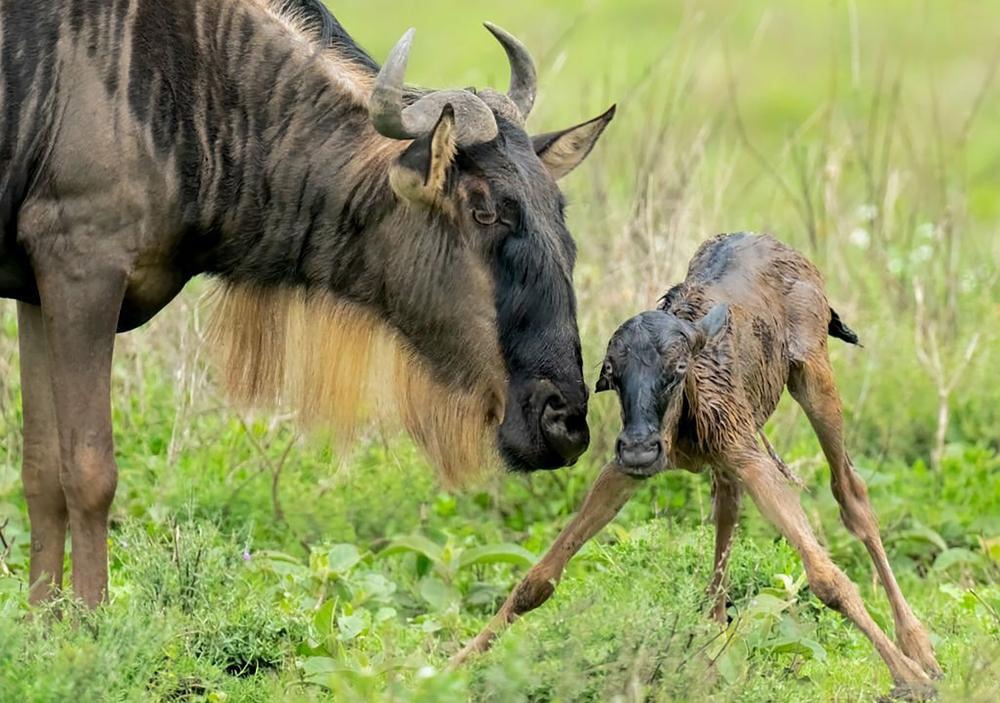
The best time to visit depends on your safari priorities. January to March is particularly rewarding for wildebeest calving in the southern Serengeti ecosystem, while approximately July to October offers opportunities to witness wildebeest migration movements and potential Mara River crossings in the north. However, the migration follows rainfall and grazing conditions, so wildlife movements vary from year to year.
Whether you are planning a luxury Serengeti safari, a private wildlife expedition, a honeymoon, or a broader Tanzania safari, choosing the right region, season, and accommodation can significantly improve your experience.
At Bunuli Safaris, we help travellers plan safari experiences around their interests, available time, accommodation preferences, and budget.
This guide explains everything you need to know about Serengeti National Park, including its wildlife, migration seasons, safari activities, accommodation, travel costs, itineraries, and practical planning advice.
1. Where Is Serengeti National Park Located?
Serengeti National Park is located in northern Tanzania, forming part of the larger Serengeti ecosystem, which extends beyond the park into neighbouring protected areas and reaches the Maasai Mara ecosystem in Kenya.
The national park covers approximately 14,763 square kilometres, making it one of Tanzania’s largest and most celebrated protected areas. Its landscapes include expansive grasslands, savannah woodlands, rocky outcrops known as kopjes, river valleys, and seasonal wetlands.
The park was designated a UNESCO World Heritage Site in 1981 because of its extraordinary ecological importance, immense wildlife populations, and remarkable annual migration.
How do you get to Serengeti National Park?
There are two main ways to reach the Serengeti.
By road: Most road safaris begin in Arusha, Tanzania’s principal northern safari hub. Travellers commonly combine Serengeti with destinations such as Tarangire National Park, Lake Manyara, and the Ngorongoro Conservation Area.
A road safari allows you to explore several destinations while enjoying changing landscapes along the route. However, driving times can be considerable, depending on your starting point, itinerary, road conditions, and chosen Serengeti region.
By air: Scheduled or charter flights connect selected airstrips within or near the Serengeti with safari hubs and other destinations. Fly-in safaris are particularly useful for travellers with limited time, honeymooners, and those seeking a more exclusive experience.
The most suitable arrival airport and route depend on your international flight, accommodation location, and planned safari circuit.
Travel tip: Do not choose your transport before considering where you want to stay in the Serengeti. A camp in the northern Serengeti serves a different purpose from one in the central region, and the distance between regions can make an otherwise short safari unnecessarily demanding.
2. Why Is Serengeti National Park Famous?


Serengeti National Park is famous for its extraordinary concentration of wildlife, the Great Wildebeest Migration, exceptional predator sightings, and vast landscapes that provide a classic African safari experience.
Its appeal extends beyond the migration. The park supports resident populations of numerous animals, making it rewarding even when migrating herds are elsewhere in the ecosystem.
The Great Wildebeest Migration
The Great Wildebeest Migration is one of the world’s most remarkable natural spectacles. Each year, enormous herds of wildebeest, accompanied by zebras and gazelles, move across the Serengeti ecosystem in search of fresh grass and water.
The movement is driven largely by seasonal rainfall and the availability of nutritious grazing.
During the migration, visitors may witness:
- Enormous herds moving across open plains.
- Wildebeest giving birth during the calving season.
- Lions, cheetahs, leopards, and hyenas hunting.
- Crocodiles waiting near river crossings.
- Zebras and gazelles travelling alongside wildebeest.
- Dramatic encounters between predators and prey.
Not every safari includes a river crossing. These events depend on herd movements, river conditions, weather, and other natural factors. No responsible operator can guarantee that a crossing will occur during a particular visit.
Exceptional big-cat viewing
Serengeti National Park is particularly attractive to travellers interested in African predators.
Lions are frequently encountered in suitable habitats across the park. Leopards inhabit areas with trees and riverine vegetation, while cheetahs are often associated with open grasslands where they can use their speed to hunt.
Hyenas are also important members of the ecosystem and can be observed competing with other predators or scavenging.
For travellers whose main priority is seeing lions, leopards, and cheetahs, the central Serengeti is often an excellent starting point.
A UNESCO World Heritage landscape
The Serengeti’s significance extends beyond tourism. Its ecological processes, interconnected habitats, and large-scale wildlife movements make it globally important for conservation.
The park also supports hundreds of bird species, including ostriches, eagles, vultures, and numerous seasonal and resident species.
3. Wildlife in Serengeti National Park: What Animals Can You See?
Serengeti National Park offers opportunities to encounter a wide variety of African wildlife. Sightings depend on season, habitat, weather, time of day, and the experience of your safari guide.
The Big Five in Serengeti National Park
The Big Five consists of lions, leopards, elephants, buffaloes, and rhinoceroses.
Serengeti National Park supports all five, although seeing every species during a single safari is not guaranteed.
| Big Five animal | Where and how to look |
|---|---|
| Lion | Open plains, grasslands, kopjes, and areas with resident prey |
| Leopard | Riverine woodland, trees, and habitats offering cover |
| African elephant | Woodlands, grasslands, and areas with suitable food and water |
| African buffalo | Grasslands and other habitats with adequate grazing |
| Black rhinoceros | Protected habitats where these rare animals survive; sightings can be difficult |
For visitors hoping to see the Big Five, a well-planned safari should balance different habitats and allow sufficient time for wildlife viewing.
Other animals in Serengeti National Park
Beyond the Big Five, travellers may encounter:
- Wildebeest
- Plains zebras
- Thomson’s gazelles
- Grant’s gazelles
- Giraffes
- Cheetahs
- Spotted hyenas
- Hippos
- Warthogs
- Topis
- Elands
- Various antelope species
Birdwatchers can also enjoy an impressive diversity of species throughout the park. The Serengeti ecosystem is particularly rewarding for travellers interested in combining large mammals with bird photography.
How many days do you need to see wildlife in Serengeti?
Three nights is a useful starting point for a first-time visitor who wants to explore one main region. Four to five nights can allow more extensive game drives or a combination of regions, depending on the route and accommodation.
If your primary objective is the Great Migration, allow enough time in the specific region where the herds are expected to be during your travel dates.
4. Best Time to Visit Serengeti National Park


The best time to visit Serengeti National Park depends on whether you prioritise the Great Migration, big cats, photography, fewer visitors, or value for money. The park is open to visitors throughout the year, and each season offers different wildlife and landscape experiences.
Serengeti safari by month
| Period | Main wildlife attraction | Best suited to |
|---|---|---|
| January–March | Wildebeest calving in the southern Serengeti ecosystem, especially around Ndutu | Calving season, predators, photography |
| April–May | Green landscapes, seasonal wildlife movements, and potentially fewer visitors | Flexible travellers and scenery |
| June | Herd movements through central and western areas, depending on conditions | General wildlife viewing and migration-focused travel |
| July–October | Dry-season wildlife viewing and potential northern Serengeti river crossings | Migration safaris and first-time visitors |
| November–December | Short rains and changing herd movements toward greener grazing areas | Green landscapes and flexible itineraries |
This is a general planning guide, not a fixed migration timetable. Rainfall patterns and herd movements vary annually.
Best time to see the Great Migration
For wildebeest calving, consider January to March and accommodation in the southern Serengeti ecosystem or Ndutu area, depending on the latest herd movements.
For potential Mara River crossings, July to October is a popular planning window for the northern Serengeti. Crossings are unpredictable, however, and some herds may remain in other areas.
June can be rewarding in the western Serengeti, although the timing and location of the herds vary.
Best time for a budget Serengeti safari
Travelling during the wetter months may provide opportunities to find more competitive accommodation rates, depending on the property and booking conditions.
April and May can be attractive for flexible travellers who appreciate green scenery and do not require a river-crossing-focused itinerary.
However, seasonal discounts are not universal, and some camps close temporarily or adjust operations. Always confirm accommodation availability and road conditions before booking.
Best time for a luxury Serengeti safari
Luxury safaris are possible year-round. The best season depends on your preferred experience.
Choose the southern ecosystem for calving-season experiences, the northern Serengeti for potential river crossings, or central Serengeti for a broader introduction to the park’s resident wildlife.
For the most effective luxury safari, select your region first and then choose accommodation that reduces unnecessary travel to your preferred wildlife-viewing areas.
5. Best Regions to Visit in Serengeti National Park
The Serengeti is too large to experience fully from a single base. Understanding its regions helps you choose the right lodge, plan realistic game drives, and improve your chances of seeing the wildlife you want.
Central Serengeti: Best for first-time visitors
The central Serengeti, particularly the Seronera area, is a strong choice for travellers visiting the park for the first time.
It is known for resident wildlife, including lions and leopards, and offers opportunities to observe other large mammals throughout the year.
Best for: First-time safaris, big-cat viewing, families, photographers, and visitors with limited time.
Recommended stay: Two to three nights as part of a broader itinerary.
Southern Serengeti and Ndutu: Best for calving season
The southern Serengeti ecosystem and neighbouring Ndutu area are associated with the wildebeest calving season, generally concentrated around January to March.
During this period, large herds may gather in the grasslands, attracting predators.
Best for: Calving-season safaris, wildlife photography, predator-prey interactions, and migration-focused itineraries.
Recommended stay: Two to three nights, depending on herd movements and your overall itinerary.
Note that Ndutu is associated with the wider southern Serengeti ecosystem but is not entirely within Serengeti National Park. Your itinerary should distinguish between the park and surrounding conservation areas.
Northern Serengeti: Best for potential Mara River crossings
The northern Serengeti, including the Kogatende area, is a popular choice for travellers hoping to witness the migration near the Mara River.
The region offers attractive landscapes, wildlife-viewing opportunities, and access to areas used by migrating herds.
Best for: Migration safaris, photographers, experienced safari travellers, and luxury tented-camp experiences.
Recommended stay: Three nights or more if river crossings are a priority.
Western Serengeti: Best for riverine landscapes
The Western Corridor contains riverine habitats and grasslands that can support excellent wildlife viewing.
The Grumeti River is associated with seasonal migration movements and potential river-crossing activity.
Best for: Travellers seeking a different Serengeti landscape, migration-focused itineraries, and longer northern Tanzania safaris.
Which Serengeti region should you choose?
| Your safari priority | Recommended region |
|---|---|
| First safari in Tanzania | Central Serengeti |
| Lions and leopards | Central Serengeti |
| Wildebeest calving | Southern Serengeti ecosystem and Ndutu |
| Potential Mara River crossings | Northern Serengeti |
| Grumeti River and western landscapes | Western Serengeti |
| Multiple migration experiences | A multi-region itinerary based on travel dates |
Bunuli Safaris tip: Avoid moving between distant Serengeti regions simply to collect lodge names. A well-positioned camp and enough time for game drives often provide a better experience than an itinerary dominated by long transfers.
6. Top Things to Do in Serengeti National Park


1. Go on a guided game drive
Game drives are the main safari activity in Serengeti National Park.
Morning drives can be productive for observing active wildlife and enjoying softer photographic light. Afternoon drives offer additional opportunities to explore different habitats and observe animals as temperatures change.
Full-day game drives may be particularly useful when exploring a large region or searching for migrating herds.
2. Experience a hot-air balloon safari
A hot-air balloon safari offers an aerial perspective of the Serengeti’s grasslands, rivers, and wildlife.
Flights generally begin around sunrise and are followed by a landing and a bush breakfast, subject to the operator’s arrangements and conditions.
Balloon safaris usually cost extra and should be booked in advance, especially during popular travel periods.
3. Photograph lions and other big cats
The Serengeti is an outstanding destination for wildlife photography because of its diverse habitats, predator populations, and expansive landscapes.
A private vehicle can provide greater flexibility over viewing positions, time spent at sightings, and photographic opportunities.
4. Explore the Serengeti during sunrise and sunset
Early mornings and late afternoons often provide attractive light for photography and a different atmosphere across the plains.
Always follow your guide’s advice and park regulations regarding driving times and wildlife encounters.
5. Enjoy birdwatching
Birdwatching can be incorporated into ordinary game drives or made a central part of your itinerary.
The variety of habitats supports numerous resident and seasonal birds, making the Serengeti rewarding for beginners and experienced birders.
6. Enjoy a private safari experience
A private safari offers greater control over your itinerary, daily pace, wildlife interests, and accommodation preferences.
This is particularly valuable for couples, families, photographers, and travellers who want to spend more time in specific areas.
Walking safaris may also be available through authorised operators in designated areas, subject to park rules and the activities offered at your accommodation.
7. How Much Does a Serengeti National Park Safari Cost?
The cost of a Serengeti safari varies according to the season, accommodation standard, length of stay, transport arrangements, group size, and activities included.
A budget camping safari will generally cost less than a private fly-in safari using luxury tented camps.
Rather than relying on one advertised price, travellers should request a detailed quotation showing what is included and excluded.
Indicative Serengeti safari cost per person
The following figures are broad planning estimates in US dollars, not verified live quotations or official park tariffs. They illustrate the approximate difference between safari styles and should not be treated as guaranteed prices for 2026.
| Safari category | Indicative cost per person per day |
|---|---|
| Budget camping safari | $200–$350 |
| Mid-range lodge safari | $350–$650 |
| Luxury safari | $650–$1,500+ |
| High-end private fly-in safari | $1,200–$2,500+ |
Actual prices can fall outside these ranges, particularly for peak-season accommodation, specialist migration camps, private charters, and premium properties. Costs also vary according to whether the quotation is based on two people sharing, a larger group, or a single traveller.
What is usually included in a Serengeti safari package?
Depending on the operator and package, inclusions may cover:
- Accommodation and meals.
- A safari vehicle and professional driver-guide.
- Scheduled game drives.
- Park conservation fees and applicable concession fees.
- Road transfers or selected domestic flights.
- Drinking water during game drives.
International flights, visas, travel insurance, tips, balloon safaris, premium drinks, and personal expenses may be excluded.
Always confirm these details in writing.
What makes Serengeti safaris expensive?
Several factors influence the final price.
Park and accommodation charges: Serengeti visits involve applicable conservation and accommodation-related fees. The amounts depend on the relevant tariff category, property, and travel dates.
Accommodation location: Camps positioned near seasonal wildlife concentrations or in remote areas may command premium prices.
Transport: Fly-in safaris and private charter flights generally increase the overall cost.
Season: Peak travel periods and high-demand migration locations can affect room availability and rates.
Safari duration: Longer stays increase accommodation and operating costs but may provide a more rewarding experience.
For official park information, check the current tariff information published by Tanzania National Parks Authority (TANAPA) before finalising your budget.
How can you plan a more affordable Serengeti safari?
Consider travelling with other people, choosing comfortable mid-range accommodation, combining destinations efficiently, and comparing road-based packages with fly-in options.
If your priority is general wildlife viewing rather than a particular migration event, a well-planned stay in central Serengeti may be more practical than paying a premium for a remote camp.
For a personalised quotation, contact Bunuli Safaris with your travel dates, group size, accommodation preference, and preferred safari experience.
8. Where to Stay in Serengeti National Park
Accommodation ranges from seasonal mobile camps to permanent tented camps and luxury lodges.
The best property is not necessarily the most expensive. Its location, access to wildlife-viewing areas, service standards, comfort, and suitability for your itinerary are equally important.
Budget accommodation
Budget travellers may prefer camping safaris with basic facilities and organised transport.
This approach can reduce accommodation expenses while retaining the core experience of exploring the Serengeti with a professional guide.
Check what camping equipment, meals, bathroom facilities, and park-related charges are included.
Mid-range lodges and tented camps
Mid-range accommodation provides a balance between comfort and cost.
Depending on the property, travellers may enjoy private bathrooms, comfortable beds, restaurant facilities, and organised game drives.
For many first-time visitors, this category provides a practical base for exploring the park without the premium cost of high-end camps.
Luxury Serengeti lodges and tented camps
Luxury properties may offer spacious tents or suites, attentive service, refined dining, private vehicles, and excellent access to selected wildlife-viewing areas.
Some camps are seasonal and relocate according to the migration. Others operate in established locations and focus on resident wildlife.
Booking advice: Select your preferred region before choosing a camp. Confirm its precise location, opening dates, transfer arrangements, and whether game drives are included.
For migration-focused travel, verify the latest expected herd movements with your safari operator rather than assuming that every northern or southern camp will provide the same experience.
9. Suggested Serengeti National Park Safari Itineraries
The ideal itinerary depends on your starting point, travel dates, interests, and budget.
The following examples provide a practical starting point for planning.
3-day Serengeti safari
Best for: Travellers with limited time.
- Day 1: Travel from Arusha or fly to the Serengeti, followed by an afternoon game drive where time permits.
- Day 2: Enjoy morning and afternoon game drives in your chosen region.
- Day 3: Take an early game drive if your schedule allows, then transfer to your next destination or onward flight.
A three-day safari can introduce you to the Serengeti, although it offers limited flexibility for following the migration across distant regions.
5-day Serengeti safari
Best for: Travellers seeking a more immersive wildlife experience.
- Day 1: Arrive in the Serengeti and explore the surrounding area.
- Day 2: Enjoy a full day of wildlife viewing.
- Day 3: Explore additional habitats and focus on your preferred species.
- Day 4: Continue game drives or explore a second region if the route is practical.
- Day 5: Enjoy a final game drive before departing.
The itinerary can be adapted for calving season, the northern migration, big-cat photography, or a luxury safari.
7-day northern Tanzania safari
Best for: First-time visitors who want more than the Serengeti alone.
A typical itinerary could include:
- Arrival in Arusha.
- Tarangire National Park.
- Travel toward the Ngorongoro Conservation Area.
- Explore the Ngorongoro Crater.
- Transfer to Serengeti National Park.
- Full-day Serengeti game drive.
- Morning wildlife viewing and departure, depending on flight arrangements.
This route combines different landscapes and wildlife habitats, although the precise order should be adjusted to travel dates, accommodation availability, and migration movements.
For visitors specifically targeting the Great Migration, a longer stay in the appropriate Serengeti region may be preferable to visiting too many destinations.
10. Serengeti National Park vs Maasai Mara: Which Is Better?
Serengeti National Park in Tanzania and Maasai Mara National Reserve are part of the same broader transboundary ecosystem and are both renowned for large wildlife populations and migration-related experiences.
Neither destination is universally better. The right choice depends on your budget, travel dates, preferred landscapes, and wider itinerary.
| Feature | Serengeti National Park | Maasai Mara National Reserve |
|---|---|---|
| Country | Tanzania | Kenya |
| Landscape | Vast plains, kopjes, river valleys, and woodlands | Open grasslands, rolling plains, and riverine habitats |
| Migration experience | Calving and herd movements across several regions | Seasonal herd movements and potential river crossings |
| Big-cat viewing | Excellent opportunities across suitable habitats | Excellent opportunities across suitable habitats |
| Safari style | Road-based, fly-in, private, and luxury safaris | Road-based, fly-in, private, and luxury safaris |
| Ideal stay | Three or more nights, depending on objectives | Two or more nights, depending on objectives |
Which destination is best for the Great Migration?
The Serengeti is central to the migration’s annual cycle, while the Maasai Mara is an important seasonal destination for migrating herds.
For calving-season experiences, consider the southern Serengeti ecosystem. For potential Mara River crossings, compare northern Serengeti and Maasai Mara options against your travel dates and the latest herd movements.
Travellers with more time may consider a cross-border safari combining Tanzania and Kenya, provided the routing, border arrangements, and overall budget are suitable.
11. Practical Travel Tips for Serengeti National Park
A successful safari requires more than choosing a destination. A few practical preparations can improve comfort, safety, and value.
What should you pack?
Consider bringing:
- Lightweight neutral-coloured clothing.
- A warm layer for early morning game drives.
- Comfortable walking shoes for permitted activities.
- Sunscreen, sunglasses, and a hat.
- Binoculars and a camera.
- Personal medication and basic toiletries.
- Insect repellent.
- A small day bag.
- Travel documents and appropriate insurance information.
If travelling by light aircraft, check the airline’s luggage weight and bag requirements before departure.
Is Serengeti National Park safe for tourists?
Serengeti safaris are commonly undertaken by visitors from around the world, but the park is a natural environment containing potentially dangerous wild animals.
Follow your guide’s instructions, remain in your vehicle unless permitted to leave it, respect wildlife-viewing distances, and never feed or approach wild animals.
Use a reputable safari operator and follow current park regulations.
How many nights should you spend in Serengeti?
For a first visit, two to three nights in one region can provide a useful introduction. Three to five nights allow more time for wildlife viewing and can accommodate a more flexible itinerary.
Migration-focused safaris may benefit from longer stays, especially when the objective is to observe unpredictable river crossings.
Can you visit Serengeti National Park with children?
Yes. Many families visit the Serengeti, but the best itinerary depends on the children’s ages, travel tolerance, accommodation policies, and preferred activities.
Consider shorter transfer days, family-friendly accommodation, flexible game drives, and suitable flight arrangements.
Confirm minimum-age requirements for specialist activities, including balloon safaris, directly with the provider.
12. Frequently Asked Questions About Serengeti National Park
What is Serengeti National Park famous for?
Serengeti National Park is famous for the Great Wildebeest Migration, large populations of predators, diverse wildlife, and extensive savannah landscapes. It is also a UNESCO World Heritage Site.
When is the best month to visit Serengeti National Park?
There is no single best month for every traveller. January to March is a popular period for calving-season experiences in the southern Serengeti ecosystem, while July to October is often chosen for potential Mara River crossings in the north. Wildlife movements vary annually.
How much does a Serengeti safari cost?
The price depends on accommodation, season, group size, transport, and itinerary. Broad planning estimates range from around $200 per person per day for some budget camping safaris to over $1,500 per person per day for luxury experiences. Obtain a personalised quotation before booking.
How many days are enough for Serengeti National Park?
Three nights is a useful starting point for a first safari. Four to five nights allow more extensive exploration, while migration-focused safaris may benefit from additional time in the relevant region.
Can you see the Big Five in Serengeti National Park?
Yes. Lions, leopards, elephants, buffaloes, and black rhinoceroses occur in the park. However, sightings of all five are not guaranteed, particularly because rhinoceroses are difficult to find.
Is Serengeti National Park worth visiting?
Yes, especially for travellers interested in wildlife, big cats, the Great Migration, photography, and classic African safari landscapes. Its resident wildlife also makes it rewarding outside the main migration periods.
Is Serengeti better than the Maasai Mara?
Neither is universally better. The Serengeti offers a larger and more geographically extensive setting for the migration’s annual cycle, while the Maasai Mara provides excellent wildlife viewing in Kenya. Your preferred season and itinerary should determine the choice.
Can you visit Serengeti National Park on a budget?
Yes. Camping safaris, shared departures, carefully selected accommodation, and efficient routing can reduce costs. The overall price still depends on applicable park charges, transport, meals, and the length of the trip.
Do you need a guide for Serengeti National Park?
A professionally guided safari is strongly recommended for visitors who want to explore efficiently, understand wildlife behaviour, and follow applicable park rules. Many organised safaris include a driver-guide and purpose-built safari vehicle.
Can you combine Serengeti with Ngorongoro Crater?
Yes. Serengeti National Park and the Ngorongoro Conservation Area are frequently combined on northern Tanzania safaris. The route should allow sufficient time for both destinations rather than allocating most of the itinerary to transfers.
Are river crossings guaranteed during the Great Migration?
No. River crossings are natural events that depend on herd movements, weather, river conditions, and other factors. Even during the popular migration season, sightings cannot be guaranteed.
What is the nearest airport to Serengeti National Park?
Access depends on your itinerary. Kilimanjaro International Airport and Arusha Airport serve as important arrival points for northern Tanzania, while airstrips within the Serengeti support fly-in safari arrangements. Your operator should recommend the most suitable route for your accommodation.
Plan Your Serengeti National Park Safari with Bunuli Safaris


A rewarding Serengeti safari begins with choosing the right region, travelling at the right time for your interests, and selecting accommodation that fits your budget and expectations.
Whether you want to follow the Great Wildebeest Migration, photograph big cats, enjoy a private luxury safari, or combine Serengeti with the Ngorongoro Crater and other northern Tanzania destinations, a carefully designed itinerary can make your experience more comfortable and productive.
Bunuli Safaris can help you plan a personalised Tanzania safari based on your travel dates, group size, accommodation preferences, and budget.
Our planning approach considers:
- The best Serengeti region for your travel dates.
- Suitable accommodation options, from mid-range to luxury.
- Road transfers or fly-in safari arrangements.
- The number of nights needed for your priorities.
- Opportunities to combine Serengeti with other destinations.
- A transparent quotation outlining inclusions and exclusions.
Ready to plan your Serengeti adventure?
Visit Bunuli Safaris to enquire about a tailor-made Tanzania safari and start planning your journey through one of Africa’s most remarkable wildlife destinations.