
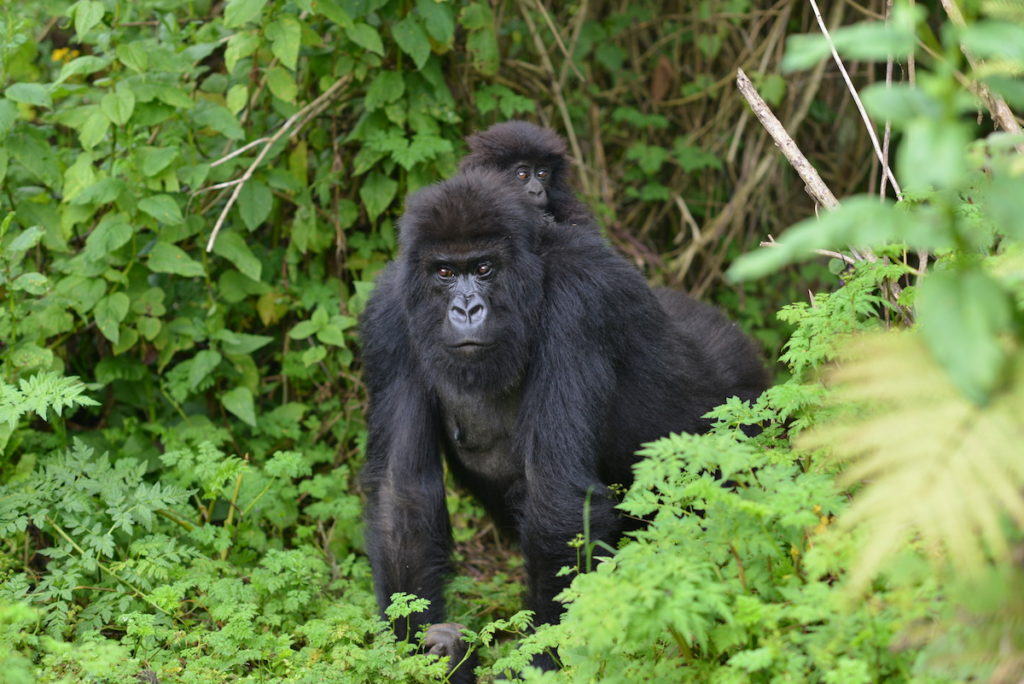
Few wildlife experiences on Earth rival the raw emotion and thrill of a gorilla safari in Bwindi Impenetrable National Park or Mgahinga Gorilla National Park. Coming face-to-face with a mountain gorilla in its natural habitat is not just a safari activity—it’s a deeply moving, once-in-a-lifetime encounter that connects you with nature in its purest form.
-
The Journey to Gorilla Country
A gorilla safari in Uganda typically begins with a scenic journey to the southwestern part of the country, where ancient rainforests blanket rolling hills and misty valleys. Bwindi, a UNESCO World Heritage Site, is home to nearly half of the world’s remaining mountain gorillas. The journey itself is part of the experience. Travelers pass through lush countryside, tea plantations, terraced hills, and rural communities.
-
The Night Before the Trek
The evening before the trek is usually calm but filled with excitement. Lodges brief guests on the next day’s activities, and preparations begin.
Guests are advised to:
- Pack essentials (water, snacks, rain jacket, gloves)
- Prepare hiking gear (boots, long trousers, gaiters)
- Charge cameras and phones
Many lodges also provide cultural experiences, such as storytelling or local dance performances, offering a deeper connection to the surrounding communities. Sleep comes early, as the next day starts at dawn.
-
Early Morning Briefing: The Adventure Begins
The day of gorilla trekking starts early, typically around 6:00–7:00 AM at the park headquarters.
Here’s what happens:
- Guests are welcomed by Uganda Wildlife Authority rangers
- Permits are checked
- Groups of up to 8 people are assigned to a specific gorilla family
- A detailed briefing is conducted
During the briefing, visitors learn:
- Gorilla behavior and communication
- Safety protocols (including what to do during a mock charge)
- The importance of maintaining a 7-meter distance
- Health rules (trekkers must not be sick to protect gorillas)
This session sets the tone for the day, both educational and exciting.
-
Entering the Forest: The Trekking Experience
Once groups are assigned, the real adventure begins. Gorilla trekking in Bwindi is often described as a true jungle expedition. The forest is dense, ancient, and alive with sounds of birds calling, leaves rustling, and insects buzzing.
What the Trek is Like
Expect:
- Thick vegetation that may require clearing paths
- Muddy, slippery trails
- Steep slopes and uneven terrain
- Occasional stream crossings
The trek can last anywhere from 1 to 6 hours (or more) depending on where the gorillas are located that day. Trackers go ahead of the group early in the morning to locate the gorillas, communicating with guides via radio. This increases the chances of a successful encounter.
Along the way, clients may also spot:
- Monkeys such as colobus and L’Hoest’s monkeys
- Forest elephants (rare)
- Colorful bird species
- Butterflies and unique plant life
The trek is physically demanding but manageable with average fitness and the reward at the end makes every step worthwhile.
-
The Magical Moment: Meeting the Gorillas
The guide suddenly signals for silence. Voices drop to whispers. Cameras are readied. And there, just ahead in the foliage, a gorilla family emerges. This is the highlight of the entire safari. Visitors are allowed one full hour with the gorillas once they are located.
What You’ll Experience
- A massive silverback sitting calmly, watching over his family
- Mothers grooming their young
- Juveniles playing, tumbling, and climbing
- Deep, expressive eyes that seem almost human
The proximity is astonishing, sometimes just a few meters away. Many travelers describe this moment as emotional, humbling, and even life-changing. The silence of the forest, broken only by the sounds of gorillas feeding or moving, creates an almost spiritual atmosphere.
-
Gorilla Behavior and Interaction Rules
To ensure safety and conservation, strict rules are followed:
- Maintain a minimum distance (about 7 meters)
- Do not touch the gorillas
- No flash photography
- Keep voices low
- Follow the guide’s instructions at all times
Gorillas are habituated, meaning they are used to human presence, but they are still wild animals. Respecting these rules ensures both visitor safety and gorilla conservation.
-
Photography: Capturing the Experience
Photography during gorilla trekking is both rewarding and challenging.
The forest environment means:
- Low lighting conditions
- Fast-moving subjects
- Dense vegetation
Tips include:
- Use cameras with good zoom (70–200mm recommended)
- Avoid flash (strictly prohibited)
- Use silent shutter mode when possible
But beyond photos, guides often remind visitors to take a moment and simply observe in order to truly experience the presence of these incredible animals.
-
The Trek Back and Certificate Award
After the one-hour encounter, visitors begin the trek back. The return journey often feels shorter, filled with conversation and reflection. Back at the starting point, trekkers receive a gorilla trekking certificate, marking their achievement. This moment is both celebratory and symbolic, a recognition of participation in one of the world’s most exclusive wildlife experiences.
-
Cultural Encounters
A gorilla safari often includes cultural experiences with local communities such as the Batwa people, the original forest inhabitants.
These experiences may include:
- Traditional dances
- Storytelling
- Demonstrations of forest survival skills
They add depth to the safari, connecting visitors to the human history of the region.
-
Best Time to Go Gorilla Trekking
Gorilla trekking is available year-round, but the best times are:
- June to September (dry season)
- December to February (short dry season)
During these months:
- Trails are less muddy
- Trekking is easier
- Visibility is better
However, the rainforest climate means rain can occur at any time.
-
Physical Fitness and Difficulty
Gorilla trekking is moderately to highly challenging depending on:
- Terrain
- Weather
- Gorilla location
Treks can range from easy (1–2 hours) to strenuous full-day hikes. Porters are available to assist with bags and provide support, making the trek more manageable.