

Serengeti National Park
Serengeti National Park is Tanzania’s most iconic wilderness, covering about 14,750 square kilometers of open plains, woodlands, and riverine forests. Known for its rich wildlife, dramatic landscapes, and the world-famous Great Migration, it remains one of Africa’s premier safari destinations. Below is a detailed yet concise guide on how to access the park, what to do, where to stay, and the best time to visit.
Accessing Serengeti National Park
By Air
The fastest way to reach the Serengeti is flying from Arusha, Dar es Salaam, or Zanzibar to key airstrips such as Seronera, Grumeti, Kogatende, or Ndutu. Flights offer quick access and scenic aerial views across the plains.
By Road
Most road safaris start in Arusha, with a 7–8 hour drive passing through the Rift Valley and Ngorongoro Conservation Area. Many itineraries include stops at Lake Manyara or Ngorongoro Crater along the way.
Main Entry Gates
- Naabi Hill Gate (southern Serengeti from Ngorongoro)
- Ndabaka Gate (western corridor)
- Klein’s Gate (northeast)
Your entry point depends on where the migration is located and where you’re staying.
Activities and Attractions
1. The Great Migration
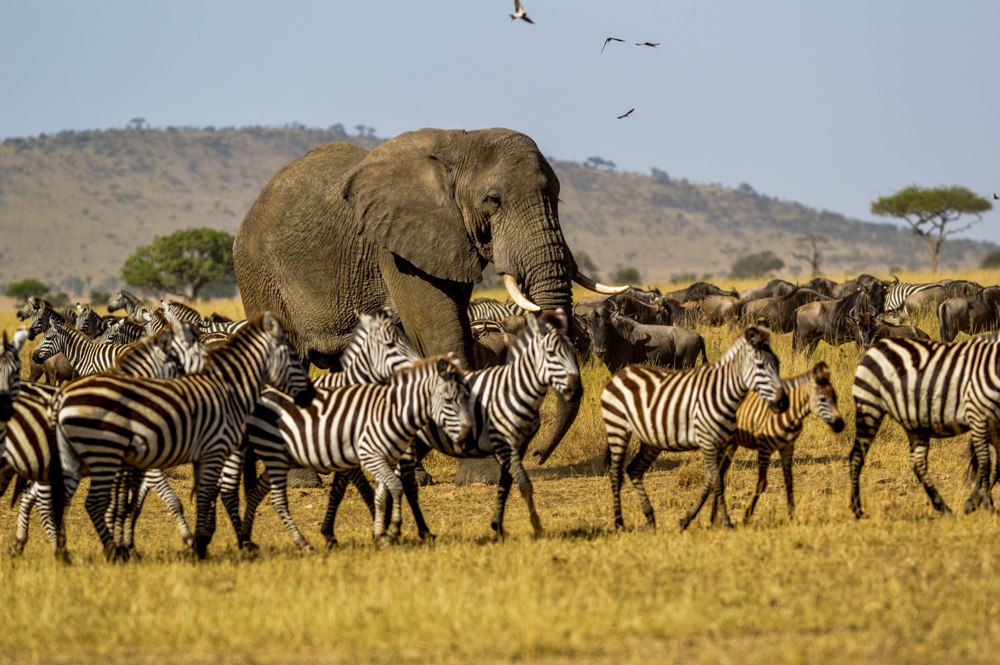
Over 1.5 million wildebeest and thousands of zebras move across the plains year-round.
Key highlights:
- River crossings at the Mara and Grumeti Rivers (June–September)
- Calving season in Ndutu (January–March), attracting intense predator action
2. Game Drives
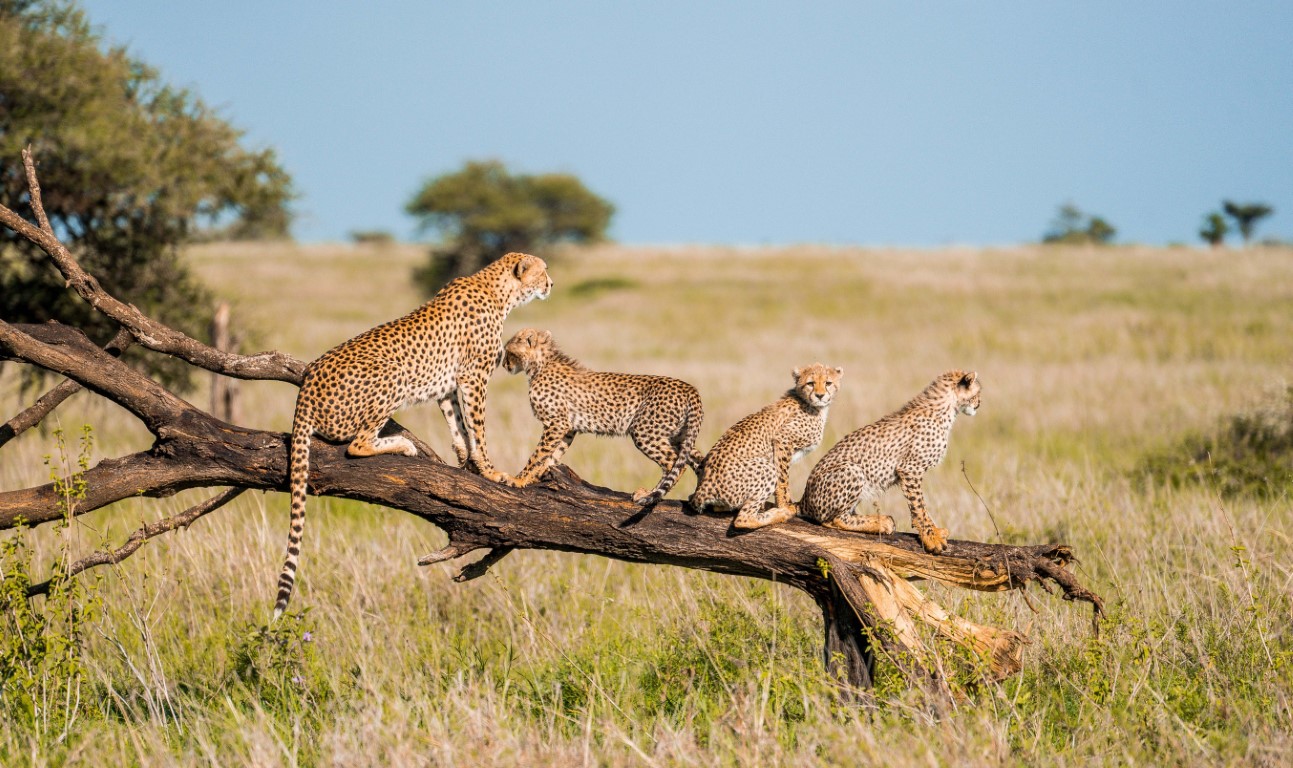
Game drives offer sightings of the Big Five, cheetahs, hyenas, hippos at the Retina Pool, and over 500 bird species. Morning and evening drives provide the best visibility and wildlife action.
3. Hot Air Balloon Safaris
A dawn balloon flight gives panoramic views of the plains and wildlife, ending with a bush breakfast.
4. Serengeti Visitor Center
Located in Seronera, it features exhibits on the park’s history, wildlife, and conservation efforts.
5. Cultural Visits
Trips to Maasai villages near the park offer insights into traditional Maasai culture and daily life.
6. Walking Safaris
Available in select areas and conservancies, these guided walks focus on tracking animals, identifying plants, and observing smaller wildlife up close.
Accommodation Options
Luxury Lodges
High-end stays provide premium comfort and exclusive wildlife access. Popular examples include:
- Four Seasons Safari Lodge
- Singita Sasakwa Lodge
- &Beyond Serengeti Under Canvas
Mid-Range Lodges
Comfortable, well-serviced options ideal for most travelers:
- Serengeti Serena Safari Lodge
- Kubu Kubu Tented Lodge
- Acacia Seronera Luxury Camp
Budget Campsites
Public campsites offer basic facilities and close-to-nature experiences, suitable for adventurous or budget travelers.
Mobile Camps
These camps move with the Great Migration and range from basic to luxury, offering intimate wildlife encounters.
Best Time to Visit
June to October (Dry Season)
Best for wildlife visibility and river crossings. Ideal conditions for photography but also the busiest and most expensive season.
November to March (Green Season)
Lush landscapes, fewer crowds, and peak calving (January–March). Excellent for birdwatching and scenic photography.
April to May (Long Rains)
Fewer visitors and discounted rates. Some areas become muddy, but wildlife remains abundant and the park is beautifully green.