Introduction
Semuliki National Park is one of Uganda’s most distinctive forest destinations, famous for the Sempaya Hot Springs, Albertine Rift landscapes, exceptional bird diversity, primates, forest wildlife and cultural experiences.
Located in western Uganda near the border with the Democratic Republic of Congo, Semuliki protects a lowland tropical forest within the Albertine Rift.
Unlike Uganda’s savannah parks, where visitors primarily come for game drives, Semuliki offers a very different experience.
Here, the attractions are hidden within the forest.
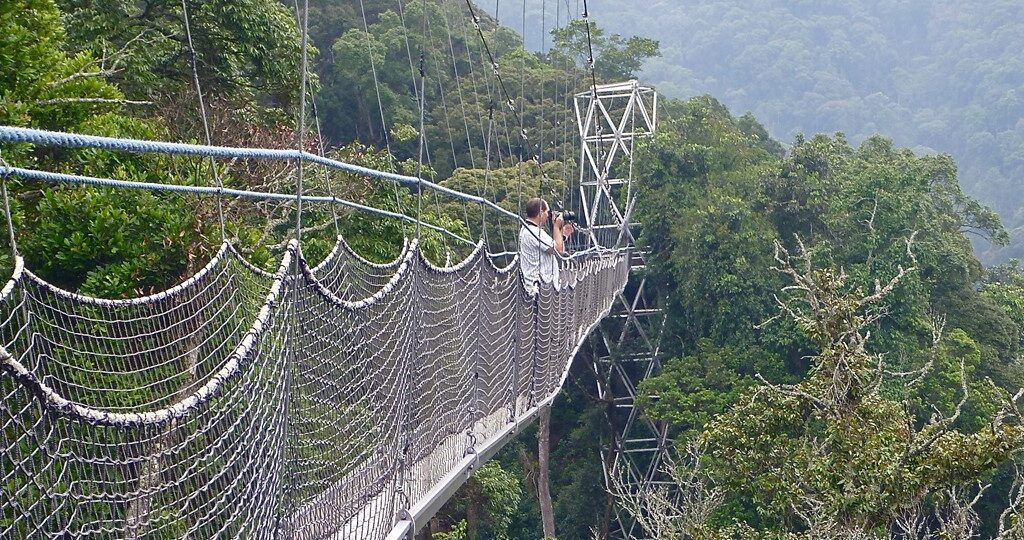
You can walk through ancient-looking tropical vegetation, listen for forest birds, search for primates, visit the spectacular Sempaya Hot Springs, explore local culture and experience one of Uganda’s most biologically diverse forest ecosystems.
For travelers looking beyond the country’s famous gorilla and chimpanzee destinations, Semuliki National Park is one of Uganda’s best off-the-beaten-path safari destinations.

Semuliki National Park at a Glance
| Feature | Details |
|---|---|
| Country | Uganda |
| Region | Western Uganda |
| District | Bundibugyo |
| Ecosystem | Lowland tropical forest |
| Major attraction | Sempaya Hot Springs |
| Landscape | Forest, wetlands, Rift Valley and hot springs |
| Main activities | Nature walks, birding, wildlife viewing, primate tracking and cultural experiences |
| Major cultural experience | Batwa/Bambuti-related forest heritage experiences |
| Nearby landmark | Rwenzori Mountains |
| Nearby country | Democratic Republic of Congo |
| Best for | Birding, forest exploration, hot springs, primates and off-the-beaten-path travel |
| Recommended stay | 2–3 days |
Where Is Semuliki National Park?
Semuliki National Park is located in western Uganda, in Bundibugyo District, along the eastern floor of the Albertine Rift.
The park lies close to the border with the Democratic Republic of Congo and is surrounded by some of western Uganda’s most dramatic scenery.
The Rwenzori Mountains rise nearby, creating an impressive contrast between the lowland forest of Semuliki and the high mountains beyond.
The nearest major tourism centers include Fort Portal and Bundibugyo.
This makes Semuliki particularly easy to combine with:
- Fort Portal
- Rwenzori Mountains National Park
- Kibale National Park
- Queen Elizabeth National Park
- Toro Kingdom cultural experiences
A western Uganda itinerary can therefore combine chimpanzees, forest wildlife, mountains, crater lakes and hot springs.
What Is Semuliki National Park Famous For?
Semuliki National Park is best known for Sempaya Hot Springs and its exceptional lowland tropical forest biodiversity.
The park is particularly important because its vegetation and wildlife have strong Central African affinities.
Visitors come to experience:
- Sempaya Hot Springs
- Tropical forest
- Primates
- Forest birds
- Butterflies
- Nature walks
- Cultural experiences
- Wildlife viewing
- Albertine Rift scenery
For birdwatchers and nature enthusiasts, Semuliki is especially interesting because it contains species that are uncommon elsewhere in Uganda.
Sempaya Hot Springs


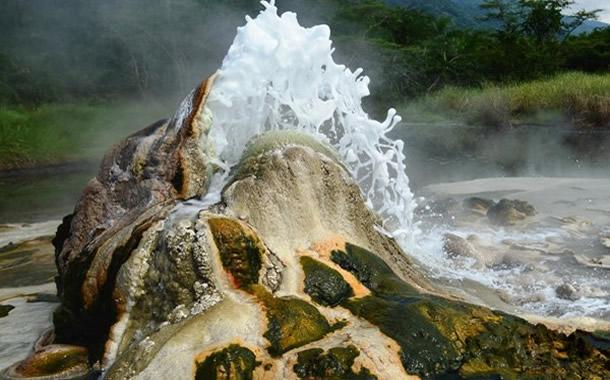
Sempaya Hot Springs are the signature attraction of Semuliki National Park.
The hot springs are associated with geothermal activity beneath the Albertine Rift.
There are two main springs commonly known as:
the Male Hot Spring — Bintente
and
the Female Hot Spring — Nyasimbi.
Nyasimbi is particularly dramatic, with boiling water and steam rising from the geothermal area.
The springs can be visited along a guided forest trail, making the journey part of the attraction.
Rather than simply driving to a viewpoint, visitors walk through the forest while observing:
- Birds
- Monkeys
- Butterflies
- Forest vegetation
- Geothermal features
The combination of forest trekking + geothermal activity makes Sempaya unlike most other attractions in Uganda.
Why Are the Sempaya Hot Springs Important?
The hot springs demonstrate the geological forces operating beneath the Albertine Rift.
The region is part of a major geological zone associated with tectonic activity and volcanic processes.
For travelers, the springs provide a visible reminder that the landscape is constantly shaped by geological forces.
The experience is therefore not simply about sightseeing.
It connects:
geology + forest ecology + culture + tourism.
Semuliki National Park Wildlife
Semuliki is not a conventional savannah game-drive destination.
Instead, the park protects an extensive lowland forest ecosystem containing a variety of forest wildlife.
Possible sightings include:
- Chimpanzees
- Red-tailed monkeys
- Black-and-white colobus monkeys
- Grey-cheeked mangabeys
- Blue monkeys
- Olive baboons
- De Brazza’s monkeys
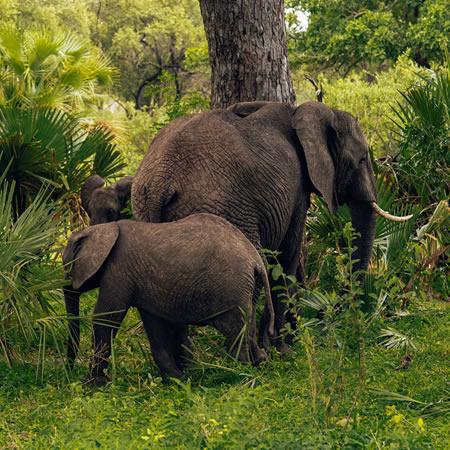
- Forest elephants
- Buffaloes
- Bushbucks
- Duikers
- Warthogs
- Various small mammals
Forest wildlife can be difficult to see because vegetation is dense.
This is important when setting expectations.
Semuliki is about exploring a living tropical forest, not guaranteeing constant animal sightings.
That makes a guided forest walk particularly valuable.
Chimpanzee Tracking in Semuliki
Chimpanzee tracking is available in the Semuliki area, but Semuliki should not be confused with Kibale National Park, Uganda’s best-known chimpanzee destination.
Kibale is generally the stronger choice if chimpanzees are your primary objective.
Semuliki is better for travelers interested in a broader forest experience involving:
- Primates
- Birds
- Hot springs
- Forest walks
- Geothermal features
- Culture
This distinction is important when designing an itinerary.
If your primary goal is chimpanzee trekking, consider Kibale.
If you want Sempaya Hot Springs and a distinctive lowland forest experience, Semuliki deserves a place in your itinerary.
Birdwatching in Semuliki National Park
Semuliki is one of Uganda’s most rewarding birdwatching destinations, particularly for birders interested in Central African and Albertine Rift species.
The park supports an exceptionally diverse bird community.
Depending on habitat, season and conditions, birders may encounter species including:
- Great blue turaco
- Yellow-throated cuckoo
- Red-billed dwarf hornbill
- White-crested hornbill
- Piping hornbill
- Nkulengu rail
- Blue-billed malimbe
- Various sunbirds
- Forest flycatchers
- Kingfishers
- Barbets
- African green pigeon
The park’s importance for birding comes partly from its location at the intersection of different ecological zones.
This gives Semuliki a bird list that feels different from many other Ugandan parks.
Who should visit Semuliki for birding?
Semuliki is particularly suitable for:
- Serious birdwatchers
- Photographers
- Forest naturalists
- First-time Uganda birding visitors
- Travelers seeking Albertine Rift species
For serious birders, a specialized guide can make a significant difference.
Nature Walks in Semuliki
Nature walks are one of the best ways to experience Semuliki National Park.
Unlike a traditional safari game drive, walking allows you to experience the forest at a slower pace.
You can observe:
- Tracks
- Insects
- Birds
- Primates
- Trees
- Medicinal plants
- Butterflies
- Forest sounds
- Geothermal features
The Sempaya Nature Trail is particularly popular because it combines forest scenery with the hot springs.
Other forest trails provide opportunities to explore different habitats and search for wildlife.
Batwa Cultural Experiences Around Semuliki
Semuliki’s forest environment has long been connected with communities whose livelihoods and traditions are associated with the forest.
Cultural experiences can provide insight into:
- Traditional forest knowledge
- Medicinal plants
- Hunting traditions
- Food gathering
- Music
- Dance
- Storytelling
- Local history
When arranging a cultural visit, choose experiences that are community-led and respectful of local traditions.
A responsible cultural experience should provide tangible benefits to participating communities while allowing visitors to learn rather than simply observe.
Semuliki and the Albertine Rift
Semuliki lies within the Albertine Rift, one of Africa’s most biologically important regions.
The Albertine Rift contains exceptional levels of biodiversity and endemism.
Its mountains, forests, lakes and valleys create numerous ecological niches.
Semuliki is especially significant because it represents a lowland forest environment, contrasting with the higher-altitude ecosystems of the nearby Rwenzori Mountains.
This makes western Uganda particularly valuable for travelers interested in ecology.
A journey through the region can take you from:
lowland tropical forest → crater lakes → savannah → montane ecosystems.
Best Time to Visit Semuliki National Park
Semuliki can be visited throughout the year, although drier periods are generally more convenient for forest walks and outdoor activities.
The commonly preferred periods are:
June–August and December–February.
However, Semuliki is a tropical forest and rainfall can occur at any time.
June–August
Generally favorable conditions for hiking and wildlife viewing.
December–February
Another commonly preferred period.
March–May
Wetter conditions can make trails muddy but produce lush forest scenery.
September–November
Rainfall can occur, but birding and forest experiences remain possible.
For birdwatchers, don’t automatically dismiss the wetter months.
Rainy periods can provide excellent forest conditions and seasonal bird activity.
How Many Days Do You Need in Semuliki?
1 Day
Possible for a focused Sempaya Hot Springs visit, especially for travelers already based around Fort Portal.
2 Days
A good option for:
Sempaya Hot Springs + nature walk + wildlife/birding.
3 Days
Recommended for a more complete experience involving:
- Sempaya Hot Springs
- Forest walks
- Birding
- Primates
- Cultural experience
4 Days or More
Ideal if Semuliki is part of a broader western Uganda itinerary.
3-Day Semuliki National Park Safari Itinerary
Day 1: Fort Portal → Semuliki
Drive toward Semuliki National Park.
Enjoy the changing landscape as you descend toward the Albertine Rift.
Check into your accommodation.
Depending on arrival time, enjoy an introductory nature walk.
Day 2: Sempaya Hot Springs & Forest Walk
Start with the Sempaya trail.
Explore the forest before reaching the geothermal springs.
Later, continue with birdwatching or a guided nature experience.
Return to the lodge for relaxation.
Day 3: Birding, Wildlife or Cultural Experience
Spend the morning exploring the forest.
Depending on your interests, choose:
- Birding
- Primate viewing
- Cultural experience
- Nature walk
Later, depart toward Fort Portal or your next destination.
Semuliki + Kibale National Park
Combining Semuliki and Kibale is one of the best ways to experience western Uganda’s forests.
The two destinations complement each other.
Kibale
Best known for:
- Chimpanzee trekking
- Primate diversity
- Bigodi Wetland
- Forest experiences
Semuliki
Best known for:
- Sempaya Hot Springs
- Lowland tropical forest
- Central African bird species
- Geothermal scenery
- Forest and cultural experiences
Together they create a strong Uganda primate and forest safari.
Semuliki + Rwenzori Mountains
This is another excellent combination.
Semuliki provides lowland forest and hot springs, while the Rwenzori provides high mountain landscapes.
Travelers can experience two dramatically different environments within the same western Uganda journey.
A longer itinerary could follow:
Kampala → Fort Portal → Semuliki → Rwenzori → Queen Elizabeth → Kampala
For adventure travelers, this is one of the strongest ways to explore western Uganda beyond the traditional safari circuit.
Semuliki + Queen Elizabeth National Park
If you want to combine forest exploration with classic safari wildlife, add Queen Elizabeth National Park.
The contrast is significant.
At Semuliki:
forest + birds + primates + hot springs.
At Queen Elizabeth:
savannah + elephants + lions + hippos + boat cruise.
The combination provides a more complete picture of Uganda’s ecological diversity.
Is Semuliki National Park Worth Visiting?
Yes, especially if you enjoy forests, birding, geology, primates and destinations away from the main tourist circuit.
Semuliki may not be the right choice for someone seeking a conventional Big Five safari.
But for travelers who want something different, it offers a rare combination:
tropical forest + hot springs + primates + birds + culture + Albertine Rift scenery.
The Sempaya Hot Springs alone make the park distinctive.
Add the birdlife and forest ecosystem, and Semuliki becomes one of Uganda’s most interesting specialist destinations.
What to Pack for Semuliki National Park
Because Semuliki is a tropical forest environment, pack for heat, humidity and rain.
Recommended items include:
- Lightweight hiking trousers
- Long-sleeved shirts
- Waterproof jacket
- Comfortable hiking shoes
- Insect repellent
- Sunscreen
- Hat
- Sunglasses
- Binoculars
- Camera
- Water bottle
- Small backpack
- Waterproof bags
- Light rain cover
- Personal medication
For birding, binoculars are essential.
For forest photography, bring extra battery power and protect camera equipment from humidity and rain.
Semuliki National Park Safari Cost
The cost of a Semuliki safari depends on the length of the trip, accommodation category, transportation, activities, group size and guide services.
A package may include:
- Safari vehicle
- Driver-guide
- Accommodation
- Meals
- Park-related fees
- Sempaya Hot Springs visit
- Nature walks
- Birding
- Cultural experiences
- Transfers
Additional costs may apply for specialized activities and services.
For an accurate quotation, travelers should provide:
travel dates + number of people + accommodation preference + activities required.
This allows the safari operator to calculate a realistic package instead of providing a generic price.
Semuliki National Park vs Kibale National Park
| Feature | Semuliki | Kibale |
|---|---|---|
| Main attraction | Sempaya Hot Springs & forest | Chimpanzee trekking |
| Forest | Lowland tropical forest | Moist evergreen forest |
| Chimpanzees | Possible/available in area | Major attraction |
| Birding | Excellent | Excellent |
| Primates | Excellent | Exceptional |
| Hot springs | Yes | No |
| Cultural experiences | Available | Available |
| Best for | Forest + geology + birding | Chimpanzee & primate tourism |
| Visitor profile | Specialist/adventure travelers | Primate-focused travelers |
Choose Semuliki if Sempaya Hot Springs, birding and lowland forest are priorities.
Choose Kibale if chimpanzee trekking is the primary goal.
For travelers with enough time, visit both.
Semuliki National Park vs Queen Elizabeth National Park
| Feature | Semuliki | Queen Elizabeth |
|---|---|---|
| Main ecosystem | Tropical forest | Savannah + wetlands + forest |
| Game drives | Limited | Major activity |
| Lions | Not a main attraction | Yes |
| Elephants | Forest environment | Strong game viewing |
| Hippos | Not the main attraction | Excellent |
| Boat cruise | No traditional Kazinga Channel cruise | Yes |
| Hot springs | Sempaya | No |
| Birding | Excellent | Excellent |
| Primates | Strong | Moderate |
| Best for | Forest exploration | Classic Uganda safari |
These parks should not be treated as competitors.
They are complementary destinations.
Responsible Tourism in Semuliki
Responsible tourism is particularly important in sensitive forest ecosystems.
Visitors should:
- Follow designated trails
- Listen to park guides
- Avoid littering
- Never feed wildlife
- Avoid disturbing animals
- Respect local communities
- Support community tourism
- Avoid damaging plants
- Keep noise levels low
- Follow current park regulations
A professional safari operator should also ensure that activities are conducted in accordance with current conservation rules.
Frequently Asked Questions About Semuliki National Park
What is Semuliki National Park famous for?
Semuliki is famous for Sempaya Hot Springs, lowland tropical forest, exceptional bird diversity, primates and cultural experiences.
Where is Semuliki National Park located?
It is in western Uganda, mainly in Bundibugyo District, close to the Democratic Republic of Congo.
What are the main attractions in Semuliki?
The main attractions include Sempaya Hot Springs, forest trails, birdwatching, primates, wildlife and cultural experiences.
Are the Sempaya Hot Springs worth visiting?
Yes. They are Semuliki’s signature attraction and one of Uganda’s most unusual natural features.
Can you see chimpanzees in Semuliki?
Chimpanzee experiences are possible in the wider Semuliki area, but Kibale National Park is generally the stronger choice for dedicated chimpanzee trekking.
Is Semuliki good for birdwatching?
Yes. Semuliki is one of Uganda’s outstanding birding destinations, particularly for forest and Central African species.
How many days should I spend in Semuliki?
Two to three days is a good starting point, while longer stays work well when combining Semuliki with Kibale, Rwenzori or Queen Elizabeth.
What is the best time to visit Semuliki?
June–August and December–February are commonly preferred for relatively favorable outdoor conditions, although Semuliki can be visited year-round.
Is Semuliki suitable for families?
Yes, particularly for families interested in nature, waterfalls, forests and educational experiences. Activities should be selected according to the ages and abilities of the children.
Can I combine Semuliki with Kibale?
Yes. Semuliki and Kibale make an excellent western Uganda forest itinerary.
Can I combine Semuliki with Rwenzori?
Yes. The combination provides an excellent contrast between lowland tropical forest and high mountain landscapes.
Can I combine Semuliki with Queen Elizabeth National Park?
Yes. This is a strong combination for travelers who want both forest exploration and traditional savannah safari experiences.
How difficult is the Sempaya Hot Springs walk?
The Sempaya trail involves walking through forest terrain and can be uneven or muddy, particularly after rain. A reasonable level of fitness and appropriate footwear are recommended.
Is Semuliki a Big Five safari destination?
No. Semuliki is primarily a forest, birding, primate, cultural and geothermal destination. For traditional Big Five game viewing, consider Queen Elizabeth, Murchison Falls or Kidepo Valley.
Plan Your Semuliki National Park Safari With Bunuli Safaris
Semuliki is proof that Uganda’s safari experience extends far beyond traditional game drives.
Here, you can walk through a tropical forest in the morning, stand beside boiling geothermal springs, listen for rare forest birds and discover communities whose heritage is connected to the landscape.
A well-designed Semuliki itinerary can combine:
Sempaya Hot Springs + forest walks + birding + primates + culture.
And when combined with Kibale, Rwenzori or Queen Elizabeth, it becomes part of a much larger western Uganda adventure.
Ready to explore Semuliki?
Request a customized Semuliki National Park safari from Bunuli Safaris.
Tell us your travel dates, number of travelers, preferred accommodation level and whether you want Sempaya Hot Springs, birding, primate experiences, cultural tourism or a combination with Kibale and Queen Elizabeth, and we’ll design the itinerary around your interests.