Introduction
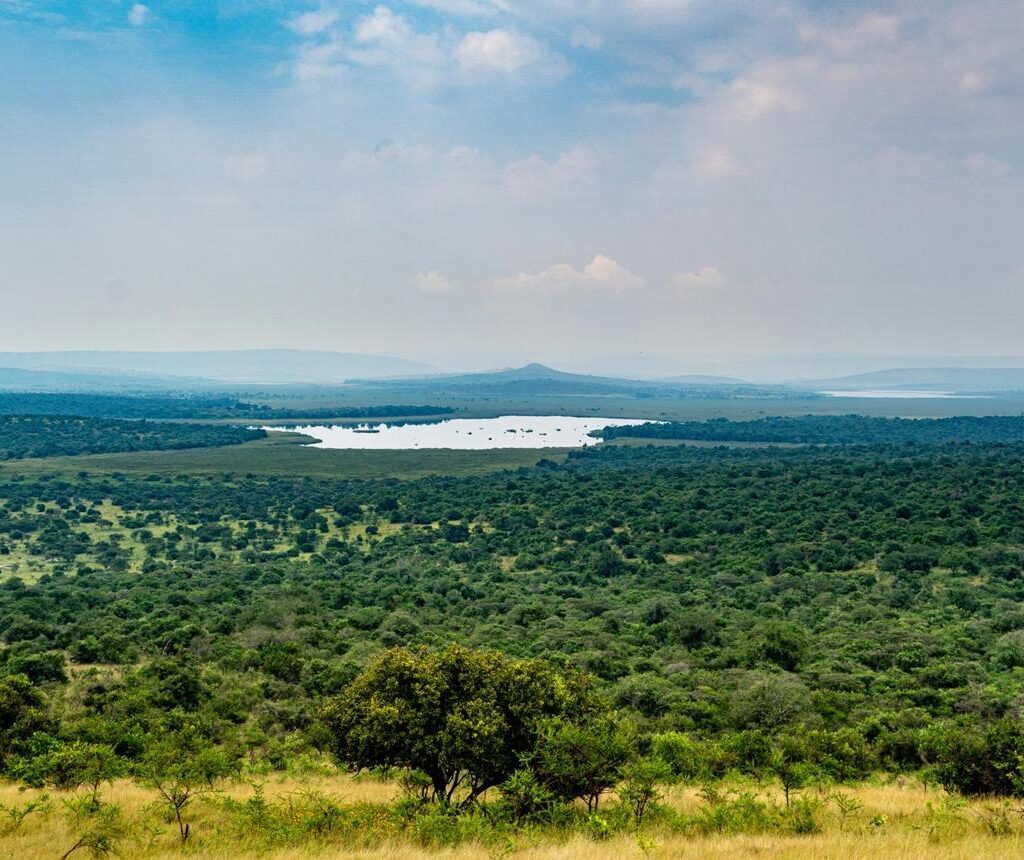
Lake Mburo National Park is Uganda’s most accessible savannah park from Kampala and one of the country’s most distinctive wildlife destinations.
Located in southwestern Uganda between Kampala and the major tourism destinations of western Uganda, Lake Mburo is particularly valuable for travelers who want a genuine wildlife experience without committing to a long transfer.
The park is famous for its zebras, impalas, elands, giraffes, buffaloes, hippos, antelopes and lakeside landscapes, but its real advantage is the variety of ways travelers can explore it.
Unlike many Ugandan safari destinations where the traditional game drive dominates, Lake Mburo offers opportunities for:
- Game drives
- Boat safaris
- Walking safaris
- Cycling safaris
- Horseback safaris
- Birdwatching
- Fishing
- Cultural experiences
That makes Lake Mburo particularly attractive for short Uganda safaris, family trips, first-time visitors, active travelers, photographers and travelers continuing toward Bwindi or Queen Elizabeth National Park.
Uganda Wildlife Authority manages Lake Mburo as one of Uganda’s protected national parks, with tourism activities supporting conservation and the surrounding communities. (ugandawildlife.org)


Lake Mburo National Park at a Glance
| Feature | Details |
|---|---|
| Country | Uganda |
| Region | Southwestern Uganda |
| Main attraction | Savannah wildlife and Lake Mburo |
| Famous wildlife | Zebra, impala, eland, giraffe, buffalo, hippo |
| Signature experiences | Game drives, walking, cycling and boat safaris |
| Landscape | Savannah, wetlands, woodland and lakes |
| Recommended stay | 2–3 days |
| Ideal for | Short safaris, families, active travelers and photographers |
| Main access | Road from Kampala/Entebbe |
| Can combine with | Bwindi, Queen Elizabeth, Lake Bunyonyi and Mgahinga |
Lake Mburo is relatively compact compared with Uganda’s larger parks, but that does not mean it is less interesting.
In fact, its smaller size and varied habitats are part of its appeal.
Where Is Lake Mburo National Park?
Lake Mburo National Park is located in western Uganda’s Ankole sub-region, approximately 240 kilometres from Kampala by road.
The journey generally takes around 4–5 hours, depending on the route, traffic and stops.
Its location makes Lake Mburo one of the easiest national parks to include in a Uganda safari from Kampala or Entebbe.
It is particularly convenient for travelers heading toward:
Kampala → Lake Mburo → Bwindi
or:
Kampala → Lake Mburo → Queen Elizabeth → Kibale
The park is also a natural stopping point between central Uganda and the gorilla destinations of southwestern Uganda.
This is one reason Lake Mburo is an excellent addition to a gorilla safari rather than merely a destination for a standalone visit.
What Is Lake Mburo National Park Famous For?
Lake Mburo National Park is best known for zebras, impalas, elands, giraffes and its unusual combination of savannah, wetlands and lakeside habitats.
It is also one of Uganda’s strongest destinations for walking, cycling and horseback wildlife experiences.
The park supports more than 300 bird species and a diverse range of mammals, according to Uganda Wildlife Authority. (ugandawildlife.org)
Unlike Uganda’s larger savannah parks, Lake Mburo does not have elephants as a major resident attraction. Instead, its wildlife identity is built around antelopes, zebras, giraffes, hippos and other species associated with its mosaic of woodland, grassland and wetland habitats.
Wildlife in Lake Mburo National Park
Lake Mburo may be smaller than Murchison Falls or Queen Elizabeth, but it supports an impressive variety of wildlife.
Commonly encountered species include:
- Zebra
- Impala
- Eland
- Giraffe
- Buffalo
- Warthog
- Hippo
- Defassa waterbuck
- Topi
- Oribi
- Bushbuck
- Bohor reedbuck
- Klipspringer
- Hyena
- Leopard
- Sitatunga in suitable wetland habitats
The park is particularly rewarding for travelers interested in antelope diversity.
Zebras in Lake Mburo National Park
Zebras are one of the defining wildlife attractions of Lake Mburo.
Large groups can often be seen grazing across the open grasslands.
For visitors arriving from Kampala, the sight of zebras in the landscape quickly signals that the safari has begun.
The park’s zebra population also creates excellent photographic opportunities, particularly during early morning and late afternoon when the light is softer.


Lake Mburo is particularly important for travelers interested in antelope species.
Impala are one of the park’s signature animals, while elands provide opportunities to see one of Africa’s largest antelopes.
Other antelope species contribute to the park’s ecological diversity.
This makes Lake Mburo a good destination for travelers who want to learn about wildlife beyond the traditional lion-elephant-buffalo focus.
Giraffes in Lake Mburo
Giraffes are another major attraction in Lake Mburo.
Their presence adds another layer to the safari experience, particularly when they are seen moving through the woodland or standing above the savannah vegetation.
The combination of:
giraffe + zebra + impala + acacia-like woodland
creates some of the most recognizable Lake Mburo safari scenes.
Is Lake Mburo a Big Five Safari Destination?
No. Lake Mburo should not be marketed as a traditional Big Five safari destination.
Travelers looking specifically for the Big Five should prioritize destinations such as Queen Elizabeth National Park and Murchison Falls National Park, or combine multiple parks.
Lake Mburo’s strength lies elsewhere:
zebra + impala + eland + giraffe + walking + cycling + boat safari + accessibility.
This distinction is important when planning a Uganda itinerary.
A good safari operator should match the park to the traveler’s priorities rather than simply selling every park as a generic wildlife destination.
Game Drives in Lake Mburo National Park
Game drives are the easiest way to explore the park’s wider wildlife habitats.
Morning drives are particularly rewarding because wildlife is generally more active before temperatures rise.
An afternoon game drive can continue into the golden-hour period, providing excellent opportunities for photography.
During a game drive, you may encounter:
- Zebras
- Impalas
- Giraffes
- Elands
- Buffaloes
- Waterbucks
- Topi
- Warthogs
- Hippos
- Antelopes
- Birds of prey
A private safari vehicle gives you more flexibility than joining a large group, particularly for photographers.
Walking Safari in Lake Mburo
Walking safari is one of the experiences that makes Lake Mburo stand out from many other Ugandan national parks.
Instead of viewing wildlife exclusively from a vehicle, visitors can explore the ecosystem on foot with an authorized guide or ranger.
Walking allows you to appreciate things that are easy to miss from a 4×4:
- Animal tracks
- Plants
- Insects
- Birds
- Smaller mammals
- Animal behavior
- Landscape details
It also provides a completely different feeling of immersion.
If you have already done several traditional game drives, add a walking safari to your Lake Mburo itinerary.
It changes the pace of the safari.
Cycling Safari in Lake Mburo
Lake Mburo is one of Uganda’s most interesting destinations for cycling safaris.
A bicycle safari provides a unique way to explore the landscape while maintaining a slower pace.
You may encounter wildlife along the route, particularly zebras, impalas and other herbivores.
Cycling is especially attractive to:
- Adventure travelers
- Active couples
- Families with older children
- Fitness enthusiasts
- Repeat safari travelers
- Travelers looking for a non-traditional safari
Cycling routes and wildlife-safety requirements should be confirmed with the park authorities or your safari operator before departure.
Horseback Safari in Lake Mburo
Horseback riding offers one of the most distinctive ways to experience Lake Mburo’s wildlife.
Instead of sitting in a safari vehicle, travelers move through the landscape on horseback.
This can be particularly memorable when riding near zebra and antelope herds.
Horseback safaris are best suited to travelers who are comfortable riding and want a more active safari experience.
The experience should always be arranged through reputable operators with appropriate safety and wildlife protocols.
Boat Safari on Lake Mburo
A boat safari on Lake Mburo is one of the best ways to experience the park from a different perspective.
The lake supports aquatic wildlife and attracts numerous birds.
During a boat trip, you may encounter:
- Hippos
- Crocodiles
- Waterbirds
- Kingfishers
- Fish eagles
- Herons
- Egrets
- Other wetland species
The boat experience is slower and more relaxed than a game drive.
It is particularly appealing during the afternoon when temperatures are high and wildlife gathers around the water.

Birdwatching in Lake Mburo National Park
Lake Mburo is an excellent destination for birdwatching, with more than 300 bird species recorded in the park and surrounding ecosystem. (ugandawildlife.org)
The combination of:
- Wetlands
- Lakes
- Woodland
- Open grassland
- Acacia vegetation
creates several different bird habitats.
Birdwatchers may encounter:
- African fish eagle
- African finfoot
- Papyrus gonolek
- Southern red bishop
- Kingfishers
- Herons
- Egrets
- Hornbills
- Rollers
- Bee-eaters
Serious birders should consider adding an early-morning birding session to their itinerary.
Fishing at Lake Mburo
Fishing is another activity associated with Lake Mburo.
Where permitted and properly organized, travelers can enjoy recreational fishing on the lake.
The experience should be arranged through authorized channels and according to current park regulations.
This activity works particularly well for travelers who want to slow down after several days of game drives.
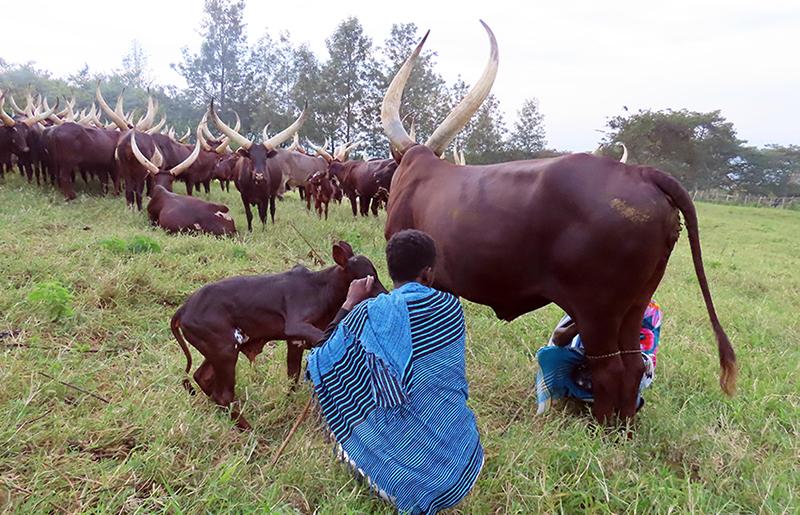
Ankole Culture and Community Experiences
Lake Mburo sits within the wider Ankole cultural landscape, making cultural tourism a natural complement to wildlife experiences.
A community visit can introduce travelers to:
- Traditional cattle keeping
- Ankole long-horned cattle
- Local food
- Traditional crafts
- Storytelling
- Music and dance
- Rural livelihoods
The Ankole long-horned cattle are particularly significant culturally and economically in the region.
A responsible cultural experience should focus on genuine community interaction rather than staged encounters.

Lake Mburo can be visited throughout the year, but the dry seasons are generally the easiest periods for wildlife viewing.
Commonly preferred periods are:
June–August and December–February.
During drier conditions, animals are more likely to congregate around available water and vegetation becomes less dense.
However, the green season has its own advantages.
June–August
Generally dry and favorable for game viewing.
December–February
Another relatively dry period with good safari conditions.
March–May
The landscape becomes greener, and rainfall can increase.
This period can be attractive for photographers and birdwatchers.
September–November
Variable rainfall and lush scenery can create rewarding conditions.
If wildlife viewing is your priority, choose the dry season. If you want greener scenery, fewer visitors and strong birding opportunities, consider the wetter months.
How Many Days Do You Need in Lake Mburo?
1 Day
A one-day Lake Mburo visit is possible, especially for travelers using the park as a stopover between Kampala and western Uganda.
However, you will have limited time.
2 Days
Two days is ideal for a short Lake Mburo safari.
You can combine:
Game drive + boat safari
or:
Game drive + walking/cycling experience.
3 Days
Three days allow a slower experience.
You could combine:
Game drives + boat safari + walking/cycling + cultural experience.
For most travelers, 2–3 days is the sweet spot.
2-Day Lake Mburo National Park Safari Itinerary
Day 1: Kampala/Entebbe to Lake Mburo
Depart Kampala or Entebbe and travel toward western Uganda.
Arrive around Lake Mburo and have lunch.
Enjoy an afternoon game drive through the park.
Look for zebras, impalas, giraffes, buffaloes, elands and other wildlife.
Overnight near the park.
Day 2: Boat Safari and Departure
Begin with breakfast before a morning boat trip on Lake Mburo.
Look for hippos, crocodiles and wetland birds.
After the boat experience, depart toward your next destination.
If continuing toward Bwindi, the journey can be incorporated into a longer gorilla safari itinerary.
3-Day Lake Mburo Safari Itinerary
Day 1
Kampala/Entebbe → Lake Mburo → afternoon game drive.
Day 2
Morning walking or cycling safari → lunch → afternoon boat safari.
Day 3
Early game drive → cultural experience → onward travel.
This itinerary is particularly good for travelers who don’t want every day of their safari to involve sitting in a vehicle.
Lake Mburo + Bwindi Gorilla Trekking
Lake Mburo is one of the best safari stops to combine with Bwindi Impenetrable National Park.
The route creates a logical progression:
Kampala → Lake Mburo → Bwindi
You begin with savannah wildlife and finish with mountain gorillas.
A longer itinerary can add:
Lake Mburo → Bwindi → Lake Bunyonyi
creating a combination of:
Zebras + giraffes + hippos + gorillas + highland scenery.
This is particularly attractive for first-time visitors to Uganda.
Lake Mburo + Queen Elizabeth National Park
You can also combine Lake Mburo with Queen Elizabeth National Park.
The experiences complement each other:
Lake Mburo
Zebras + impalas + elands + cycling + walking + boat safari
Queen Elizabeth
Lions + elephants + buffaloes + Kazinga Channel + savannah
This creates a more diverse western Uganda safari.
Lake Mburo vs Queen Elizabeth National Park
| Feature | Lake Mburo | Queen Elizabeth |
|---|---|---|
| Main attraction | Zebra & antelope | Diverse wildlife |
| Accessibility | Excellent | Good |
| Zebra | Excellent | Less central |
| Impala | Excellent | Less central |
| Eland | Excellent | Less central |
| Lions | Limited | Stronger |
| Elephants | Not a main attraction | Strong |
| Boat safari | Yes | Yes |
| Walking | Excellent option | Available |
| Cycling | Major attraction | Not a primary activity |
| Horseback | Available | Limited/not signature |
| Best for | Short & active safari | Classic wildlife safari |
Choose Lake Mburo if you want an active, compact safari with zebras and antelopes.
Choose Queen Elizabeth if you want a broader large-mammal safari.
Lake Mburo Safari Cost
There is no single price for a Lake Mburo safari.
Your total cost depends on:
- Number of travelers
- Accommodation category
- Transport
- Safari vehicle
- Park entry
- Boat safari
- Walking safari
- Cycling
- Horseback riding
- Cultural activities
- Number of nights
- Travel season
The current Uganda Wildlife Authority tariff should be checked for the applicable travel period because conservation and activity fees can change.
A professional safari quotation should clearly separate:
Included services + excluded services + park fees + optional activities.
This makes it much easier to compare safari companies fairly.
For an exact Lake Mburo safari price, request a customized quotation from Bunuli Safaris based on your dates, group size and accommodation preference.
Accommodation in Lake Mburo National Park
Lake Mburo offers a range of accommodation options suitable for different budgets.
Budget
Good for travelers prioritizing wildlife activities and affordability.
Mid-range
A practical balance between comfort, location and price.
Luxury
Suitable for travelers seeking premium rooms, private settings, quality dining and elevated safari experiences.
When choosing accommodation, consider:
- Distance from park gates
- Access to safari routes
- Lake views
- Meals
- Family facilities
- Walking/cycling access
- Transport arrangements
- Electricity and connectivity
The best lodge isn’t necessarily the most expensive one; it is the one that fits your itinerary.
How to Get to Lake Mburo National Park
By Road
Road travel is the most common way to reach Lake Mburo.
From Kampala or Entebbe, the drive typically takes approximately 4–5 hours, depending on traffic and stops.
The park’s location makes it one of the easiest national parks to include in a Uganda road safari.
This accessibility is one of its greatest commercial advantages for travelers with limited time.
By Air
Flying is possible for travelers seeking a private or luxury itinerary, although road access is so convenient that many visitors prefer driving.
What to Pack for Lake Mburo
For a Lake Mburo safari, pack:
- Lightweight clothing
- Neutral-colored trousers
- Long-sleeved shirts
- Comfortable walking shoes
- Hat
- Sunglasses
- Sunscreen
- Insect repellent
- Binoculars
- Camera
- Telephoto lens
- Waterproof jacket
- Reusable water bottle
- Small daypack
- Power bank
- Personal medication
If you’re planning a walking, cycling or horseback experience, bring suitable footwear and comfortable active clothing.
Is Lake Mburo National Park Worth Visiting?
Yes, particularly if you want an accessible Uganda safari with a wider range of activities than the traditional game drive.
Lake Mburo is not Uganda’s biggest or most famous national park.
That’s precisely why it works so well.
You can reach it relatively easily from Kampala, experience a genuine savannah environment, see zebras and giraffes, take a boat safari, walk through the bush or cycle through the landscape—and then continue toward Uganda’s more remote western destinations.
It is particularly valuable for travelers who want variety without spending a full day driving between destinations.
Who Should Visit Lake Mburo?
Lake Mburo is especially suitable for:
First-time Uganda travelers
It provides an accessible introduction to Uganda’s wildlife.
Families
The relatively compact park and range of activities can make it easier to design a family-friendly safari.
Active travelers
Walking and cycling add adventure beyond vehicle-based wildlife viewing.
Photographers
Zebras, giraffes, antelopes, landscapes and birds provide diverse subjects.
Gorilla travelers
Lake Mburo works extremely well as a stopover before Bwindi.
Short-trip travelers
Its proximity to Kampala makes it ideal for a 2-day Uganda safari.
Repeat safari travelers
If you’ve already experienced traditional game drives, cycling or walking can make the destination feel fresh.
Responsible Tourism at Lake Mburo
Responsible tourism is essential to maintaining Uganda’s protected areas.
Travelers should:
- Follow Uganda Wildlife Authority regulations
- Stay with authorized guides
- Never feed wildlife
- Never approach animals
- Keep noise low
- Avoid littering
- Stay on designated routes
- Respect communities
- Ask permission before photographing people
- Support legitimate community tourism
- Avoid purchasing illegal wildlife products
Tourism can contribute to conservation and local livelihoods when properly managed.
Frequently Asked Questions About Lake Mburo National Park
What is Lake Mburo National Park famous for?
Lake Mburo is famous for zebras, impalas, elands, giraffes, buffaloes, hippos, birdlife and its range of activities including walking, cycling and boat safaris.
Is Lake Mburo worth visiting?
Yes. It is especially worthwhile for travelers who want an accessible wildlife destination with activities beyond traditional game drives.
How far is Lake Mburo from Kampala?
Lake Mburo is approximately 240 km from Kampala, with the journey commonly taking around 4–5 hours depending on road conditions and stops.
How many days do you need in Lake Mburo?
Two days is sufficient for the highlights, while three days allows a more relaxed combination of wildlife, boat, walking, cycling and cultural experiences.
Are there zebras in Lake Mburo?
Yes. Zebras are one of Lake Mburo’s signature wildlife attractions.
Are there giraffes in Lake Mburo?
Yes. Giraffes can be encountered in the park’s savannah and woodland habitats.
Can I see lions in Lake Mburo?
Lions are not one of Lake Mburo’s main wildlife attractions, and sightings are not comparable to destinations such as Queen Elizabeth or Murchison Falls.
Can I see elephants in Lake Mburo?
Elephants are not a major resident wildlife attraction of Lake Mburo. Travelers specifically interested in elephants should consider Queen Elizabeth or Murchison Falls.
Can I take a boat safari in Lake Mburo?
Yes. Boat trips provide opportunities to see hippos, crocodiles and waterbirds.
Can I cycle in Lake Mburo National Park?
Yes. Cycling safaris are one of the distinctive active experiences associated with Lake Mburo, subject to current regulations and arrangements.
Can I do a walking safari?
Yes. Guided walking experiences are an important part of Lake Mburo’s tourism offering.
Can I go horseback riding?
Yes, horseback safaris are available through tourism operators around the park and offer an unusual way to experience the landscape.
What is the best time to visit Lake Mburo?
The dry seasons, particularly June–August and December–February, are generally favorable for wildlife viewing, although the park can be visited year-round.
Can I combine Lake Mburo with gorilla trekking?
Absolutely. Lake Mburo is an excellent stop between Kampala and Bwindi Impenetrable National Park.
Can I combine Lake Mburo with Queen Elizabeth National Park?
Yes. The two parks provide complementary wildlife experiences.
Is Lake Mburo good for a honeymoon?
Yes. Couples can combine a private safari with a boat trip, luxury accommodation and horseback or walking experiences for a more intimate safari.
Is Lake Mburo suitable for children?
It can be, especially for families looking for a shorter safari. Specific activity age requirements should be confirmed when booking.
Plan Your Lake Mburo Safari With Bunuli Safaris
Lake Mburo may be one of Uganda’s smaller national parks, but it delivers an impressive amount of variety.
Zebras on the savannah. Giraffes among the woodland. Hippos in the lake. Birds across the wetlands. A walking safari through the bush. A bicycle ride through the landscape. A boat cruise at sunset.
And perhaps most importantly, you don’t need a week to experience it.
For travelers with limited time, consider:
2-Day Lake Mburo Safari
For a broader western Uganda journey:
Lake Mburo → Queen Elizabeth → Kibale → Bwindi
For a gorilla-focused adventure:
Kampala → Lake Mburo → Bwindi → Lake Bunyonyi
Bunuli Safaris can tailor the experience to your preferred travel style, budget and schedule.
Ready to explore Lake Mburo?
Request a customized Lake Mburo National Park safari from Bunuli Safaris.
Send us your travel dates, number of travelers, accommodation preference and activities you want to include, and we’ll build a safari around your priorities.