Introduction
Akagera National Park is Rwanda’s premier savannah safari destination and one of the most remarkable wildlife conservation success stories in East Africa. Located in eastern Rwanda along the border with Tanzania, the park combines open savannah plains, rolling hills, woodland, papyrus wetlands and a chain of scenic lakes to create a completely different experience from Rwanda’s famous mountain gorilla destinations.
Today, Akagera is home to the Big Five—lion, leopard, elephant, buffalo and rhinoceros—alongside giraffes, zebras, antelopes, hippos, crocodiles and almost 500 recorded bird species.
For travelers asking whether Akagera National Park is worth visiting, the answer is yes—particularly if you want to combine a Rwanda gorilla trekking adventure with a traditional African wildlife safari without crossing into another country.
What makes Akagera even more compelling is its conservation story. After severe wildlife losses caused by poaching, habitat pressure and human-wildlife conflict, intensive conservation management has restored important species and transformed the park into Rwanda’s only savannah protected area and a genuine Big Five safari destination.
Why Visit Akagera National Park?
Akagera is ideal for travelers who want a Big Five safari in Rwanda, a short wildlife trip from Kigali, birdwatching, a boat safari or a combination of wildlife and primate experiences.
The park is particularly attractive because its landscape is highly diverse. Unlike a destination dominated by one ecosystem, Akagera contains savannah, woodland, wetlands and lakes within the same protected landscape.
The park is also relatively easy to combine with other Rwanda destinations.
A well-planned Rwanda itinerary can include:
- Akagera National Park for Big Five wildlife
- Volcanoes National Park for gorilla and golden monkey trekking
- Nyungwe National Park for chimpanzee trekking and forest experiences
- Kigali for cultural and historical experiences
- Lake Kivu for relaxation and scenic lake activities
This makes Rwanda particularly appealing to travelers who want a compact East African itinerary with several different ecosystems.
Where Is Akagera National Park?
Akagera National Park is located in eastern Rwanda, close to the country’s border with Tanzania.
The park covers approximately 1,100 square kilometres and is characterized by savannah plains, woodland, wetlands, lakes and rolling terrain. African Parks describes it as Central Africa’s largest protected wetland and Rwanda’s last remaining refuge for savannah-adapted wildlife.
Its location makes Akagera one of the easiest major wildlife destinations to incorporate into a Rwanda safari from Kigali.
For international visitors arriving at Kigali International Airport, Akagera can be visited as a 2-day or 3-day safari, although spending additional nights allows more time for game drives, boating, birdwatching and relaxed exploration.
How Far Is Akagera National Park From Kigali?
Akagera National Park is approximately 2–3 hours by road from Kigali, depending on the park entrance, road conditions and your exact starting point.
This relatively short travel time is one of Akagera’s biggest advantages.
Instead of spending an entire day transferring between destinations, travelers can leave Kigali in the morning and reach the Akagera area in time to begin their safari experience.
For travelers with limited time, this makes a 2-day Akagera safari from Kigali particularly practical.
For a more immersive experience, a 3-day Akagera National Park safari provides additional time for game drives, a boat trip and wildlife photography.
What Animals Can You See in Akagera National Park?
Akagera supports a diverse range of African wildlife, including large mammals, predators, herbivores and aquatic species.
Some of the animals you may encounter include:
- Lions
- Leopards
- Elephants
- Eastern black rhinoceros
- Southern white rhinoceros
- Buffalo
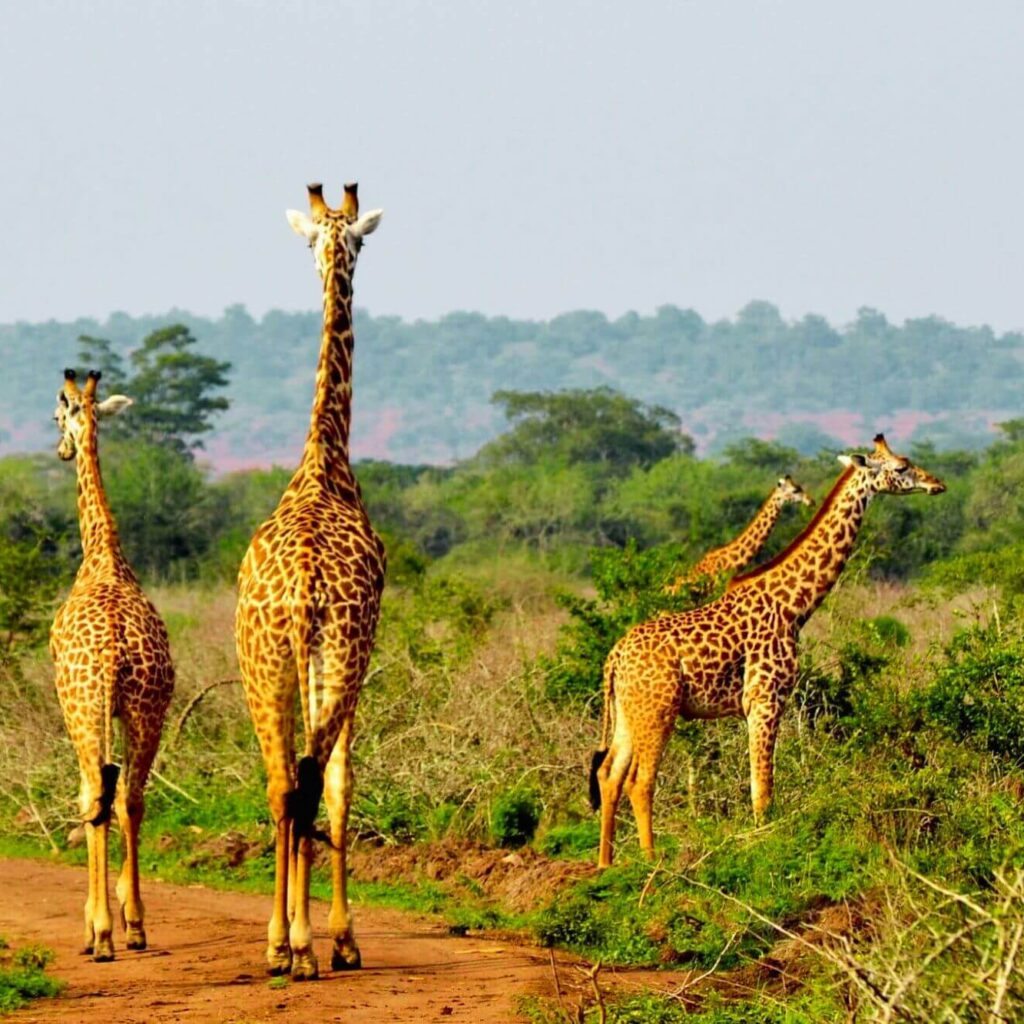
- Giraffes
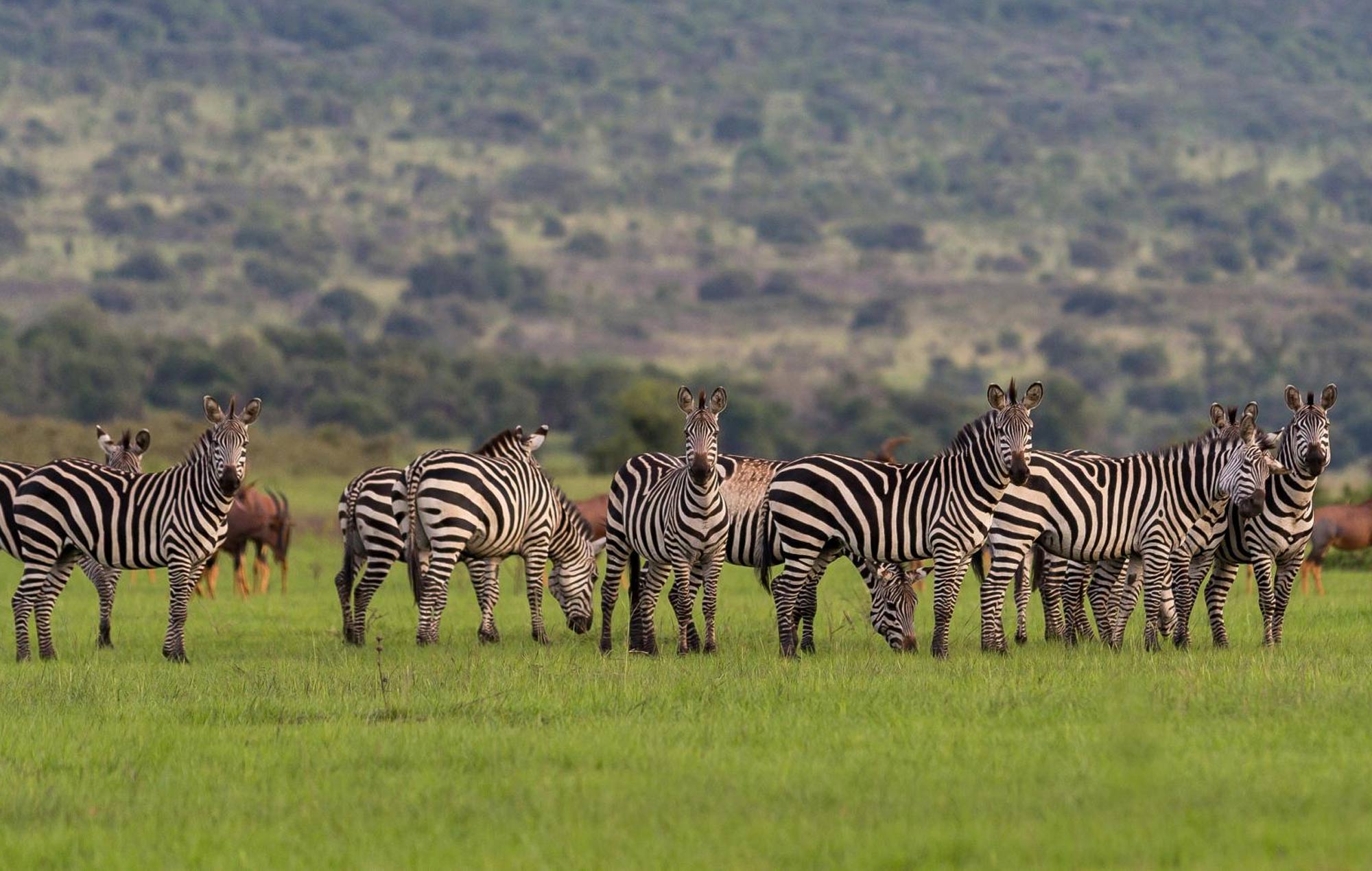
- Zebras
- Hippos
- Crocodiles
- Warthogs
- Baboons
- Monkeys
- Impala
- Topi
- Eland
- Bushbuck
- Waterbuck
- Oribi
- Reedbuck
- Roan antelope
The park’s combination of savannah and wetland habitats gives wildlife several ecological niches.
Is Akagera a Big Five Destination?
Yes. Akagera National Park is Rwanda’s Big Five safari destination.
The Big Five are:
- Lion
- Leopard
- Elephant
- Buffalo
- Rhinoceros
However, seeing all five animals on one safari is never guaranteed. Wildlife sightings depend on animal movements, habitat conditions, weather, season, time of day and the number of days spent in the park.
This is an important distinction for responsible safari marketing: Akagera offers an excellent opportunity to see the Big Five, but no ethical safari operator should promise that every visitor will see every species.
Lions in Akagera National Park
Lion conservation is one of Akagera’s most significant restoration stories.
Lions disappeared from the park for approximately two decades before seven lions were reintroduced in 2015. The population subsequently established itself and began breeding successfully.
Today, lions are an important part of Akagera’s restored predator population.
Early morning and late afternoon game drives can provide some of the best opportunities to encounter lions because predators are generally more active during cooler periods.
Leopards in Akagera
Leopards are present in Akagera but are considerably more elusive than some of the park’s larger herbivores.
A leopard sighting can therefore be one of the most exciting encounters on an Akagera safari.
They are generally associated with areas containing suitable cover, prey and woodland habitats. Travelers hoping to see leopard should spend several game drives exploring different habitats rather than expecting a guaranteed sighting.
Rhinos in Akagera National Park
Rhino conservation has transformed Akagera’s wildlife profile.
In 2017, 18 eastern black rhinos were reintroduced into Akagera, bringing the species back to Rwanda after a decade-long absence. Additional black rhinos were subsequently introduced to strengthen the population.
Akagera’s rhino story took another major step in June 2025, when 70 southern white rhinos were translocated into the park. This was described by African Parks as the first cross-continental move under its Rhino Rewild Initiative.
This means visitors today are experiencing a conservation landscape that has changed dramatically compared with Akagera of two decades ago.
Akagera National Park Birdwatching
Akagera is one of Rwanda’s most important birdwatching destinations.
Almost 500 bird species have been documented in the park, making it particularly attractive to birders and wildlife photographers.
The combination of wetlands, open grassland, woodland and lakes supports a remarkable range of bird habitats.
Birdwatchers may encounter species such as:
- African fish eagle
- Papyrus gonolek
- Grey crowned crane
- Kingfishers
- Herons
- Egrets
- Storks
- Egrets
- Raptors
- Waterbirds
The wetlands and lakes are especially valuable for aquatic and wetland-associated species.
If birdwatching is a major priority, tell your safari consultant before traveling so the itinerary can be adapted around habitat, timing and specialist guiding.
Best Things to Do in Akagera National Park
Akagera is not simply a destination for conventional game drives. Its combination of terrestrial and aquatic ecosystems creates several ways to explore the park.
1. Game Drives in Akagera
A game drive is the main safari activity in Akagera National Park.
Game drives provide opportunities to explore savannah plains and woodland in search of elephants, buffalo, giraffes, zebras, antelopes, lions, rhinos and other wildlife.
Morning game drives are particularly useful for catching wildlife when temperatures are cooler and animals are more active.
Afternoon and evening drives can also be productive, especially for predators.
For travelers booking a short safari, combining multiple game drives with a boat safari offers a broader experience of Akagera.
2. Akagera Boat Safari
A boat safari on Lake Ihema is one of the best ways to experience Akagera from the water.
Instead of searching for wildlife from a safari vehicle, travelers observe aquatic and shoreline wildlife from a boat.
Common sightings can include:
- Hippos
- Crocodiles
- Waterbirds
- Fish eagles
- Herons
- Egrets
- Other wetland species
The boat experience also provides a completely different perspective of Akagera’s landscape.
For photographers, the combination of reflections, open water, wildlife and changing light can produce excellent images.
3. Birdwatching
With almost 500 recorded bird species, Akagera is an excellent destination for both dedicated birders and casual wildlife travelers.
A specialist birding safari can focus more heavily on wetlands, woodland and other productive habitats.
4. Nature and Conservation Experiences
Akagera’s conservation story is itself an important part of visiting the park.
The park’s recovery has involved wildlife reintroductions, anti-poaching measures, ecological monitoring and partnerships with surrounding communities.
Since 2010, Akagera has been jointly managed through the Akagera Management Company, established through a partnership between Rwanda’s government and African Parks.
The park’s conservation success demonstrates how tourism can contribute to protected-area management and community development.
Best Time to Visit Akagera National Park
Akagera National Park can be visited throughout the year, but the best period depends on your priorities.
For generally favorable safari conditions, the drier periods are often preferred because wildlife can become easier to locate around remaining water sources and roads can be more manageable.
The wetter periods, however, bring lush landscapes, greener vegetation and excellent birding opportunities.
Dry Season
Advantages include:
- Easier wildlife tracking
- Generally clearer safari conditions
- Excellent game viewing
- Good photography opportunities
- Less dense vegetation in some areas
Wet Season
Advantages include:
- Green and scenic landscapes
- Excellent birdwatching
- Fewer tourists at certain times
- Strong photography conditions
- Newborn animals may be encountered
There is therefore no single “perfect” month for every traveler.
A professional safari planner should match the timing to your priorities rather than simply recommending one season to everyone.
How Many Days Do You Need in Akagera?
For most international travelers, 2–3 days in Akagera National Park provides a good introduction.
2-Day Akagera Safari
A two-day itinerary works well for travelers with limited time.
It can include:
Day 1: Kigali → Akagera → afternoon game drive
Day 2: Morning game drive → Lake Ihema boat safari → return to Kigali
3-Day Akagera Safari
Three days provide a more relaxed experience.
A typical itinerary could include:
Day 1: Kigali → Akagera → afternoon game drive
Day 2: Morning game drive → relaxation → Lake Ihema boat safari
Day 3: Early morning game drive → return to Kigali
Travelers interested in photography, birding or maximizing wildlife encounters may benefit from staying longer.
Akagera Safari vs Gorilla Trekking in Rwanda
Akagera and Rwanda’s gorilla trekking destination offer completely different wildlife experiences.
Akagera is primarily a savannah safari destination, while Volcanoes National Park is a montane forest environment famous for mountain gorillas.
If you have enough time, combining both creates one of Rwanda’s strongest wildlife itineraries:
Akagera + Gorilla Trekking
This combination allows you to experience:
- Big Five wildlife
- Savannah landscapes
- Boat safari
- Mountain gorillas
- Volcanoes
- Rwanda’s highland scenery
- Kigali
For travelers interested in a wider primate experience, Nyungwe can also be added for chimpanzee trekking.
Is Akagera National Park Safe for Tourists?
Yes. Akagera is a professionally managed protected area with established conservation and security systems.
The park has invested heavily in anti-poaching measures, wildlife monitoring, ranger operations and canine anti-poaching systems.
African Parks reports that there has been no recorded loss of high-value species—elephant, rhino or lion—to poaching since 2010 or their reintroduction.
Visitors should nevertheless follow all park regulations, remain inside vehicles when required, avoid approaching wildlife and follow instructions from professional guides and park staff.
Akagera National Park Entrance Fees and Safari Costs
The cost of visiting Akagera depends on several factors, including nationality or residency status, accommodation, number of safari days, vehicle arrangements, activities and whether you book a private or shared safari.
Official park pricing has different categories for Rwandan/EAC citizens, residents, international visitors and other visitor categories.
Because park fees and safari costs can change, travelers should confirm current rates before booking rather than relying on outdated blog articles.
A professionally organized Akagera safari package may include:
- Accommodation
- Park entrance fees
- Safari vehicle
- Professional driver-guide
- Game drives
- Boat safari
- Meals
- Kigali transfers
- Bottled drinking water
- Accommodation taxes
At Bunuli Safaris, the final cost can be structured around your preferred travel style, including budget, mid-range and luxury safari options.
Where to Stay in Akagera National Park
Accommodation options range from practical campsites to comfortable safari lodges and luxury wilderness properties.
Your choice should depend on whether you prioritize:
- Budget
- Location
- Wildlife access
- Comfort
- Family facilities
- Photography
- Private experiences
- Luxury
For a short safari, staying near or within the park can reduce unnecessary driving and give you more time for wildlife activities.
Akagera National Park Safari Packing List
For an Akagera safari, pack practical, lightweight clothing suitable for warm days and cooler mornings.
Recommended items include:
- Lightweight neutral-colored clothing
- Long-sleeved shirts
- Comfortable trousers
- Hat or cap
- Sunglasses
- Sunscreen
- Insect repellent
- Comfortable walking shoes
- Binoculars
- Camera and spare batteries
- Power bank
- Reusable water bottle
- Light rain jacket
- Small daypack
Binoculars are especially useful for birdwatching and distant wildlife.
Why Akagera Is More Than a Safari Destination
Akagera is one of the strongest examples of how conservation, tourism and community development can work together.
Since African Parks and the Rwanda Development Board began their management partnership, the park has undergone substantial restoration.
Lion and rhino populations have been restored, anti-poaching systems have strengthened, tourism has grown and community development initiatives have expanded.
In 2025, African Parks reported that Akagera became the first park in its network to become financially self-sustaining through its own revenue, while 10% of park income is allocated through Rwanda’s revenue-sharing scheme for community development projects.
This creates an important reason to visit beyond wildlife viewing: responsible tourism helps create economic value around conservation.
Frequently Asked Questions About Akagera National Park
Is Akagera National Park worth visiting?
Yes. Akagera is worth visiting if you want a Big Five safari, scenic savannah landscapes, birdwatching and a boat safari in Rwanda. It is also one of the easiest safari destinations to combine with a Rwanda gorilla trekking trip.
Can you see the Big Five in Akagera?
Yes. Akagera is home to lion, leopard, elephant, buffalo and rhinoceros. However, seeing all five during one safari is not guaranteed because wildlife sightings depend on animal movements and conditions.
How many days should I spend in Akagera?
Two days can provide a good introduction, while three days allow more time for game drives, boating and relaxed exploration. Wildlife photographers and birders may prefer longer stays.
Can I visit Akagera from Kigali?
Yes. Akagera is conveniently accessible from Kigali by road, making it suitable for short 2-day and 3-day safari itineraries.
Does Akagera have lions?
Yes. Lions were reintroduced to Akagera in 2015 after being absent from the park for approximately 20 years, and the population successfully established itself.
Are there rhinos in Akagera National Park?
Yes. Akagera has eastern black rhinos and southern white rhinos. Seventy additional southern white rhinos were introduced into the park in June 2025.
What is the best activity in Akagera?
Game drives are the principal activity, but combining a game drive with a Lake Ihema boat safari provides a more complete experience of Akagera’s savannah and wetland ecosystems.
Is Akagera good for birdwatching?
Yes. Almost 500 bird species have been documented in the park, making it one of Rwanda’s leading birdwatching destinations.
Can I combine Akagera with gorilla trekking?
Absolutely. An Akagera safari combined with gorilla trekking in Volcanoes National Park is one of the best ways to experience Rwanda’s contrasting wildlife environments.
Is Akagera suitable for families?
Yes. Akagera can work well for families interested in wildlife and nature, although itinerary planning should take children’s ages, driving time and accommodation requirements into account.
Plan Your Akagera National Park Safari With Bunuli Safaris
Akagera offers much more than a conventional game drive. It is a destination where Big Five wildlife, wetlands, birdlife, conservation and Rwanda’s remarkable restoration story come together.
Whether you are looking for a 2-day Akagera safari from Kigali, a 3-day Big Five safari in Rwanda, an Akagera and gorilla trekking combination, a private Rwanda wildlife safari or a tailor-made East African adventure, the right itinerary can make a significant difference to your experience.
Ready to explore Akagera National Park?
Contact Bunuli Safaris to request a tailor-made Akagera safari designed around your travel dates, budget, accommodation preference and wildlife interests.
Explore more Rwanda and East African safari experiences through our Rwanda safari packages and discover our destination guides for Uganda safaris and other East African adventures.