Introduction
Standing with one foot in the Northern Hemisphere and the other in the Southern Hemisphere is one of those travel experiences that seems simple until you actually do it.
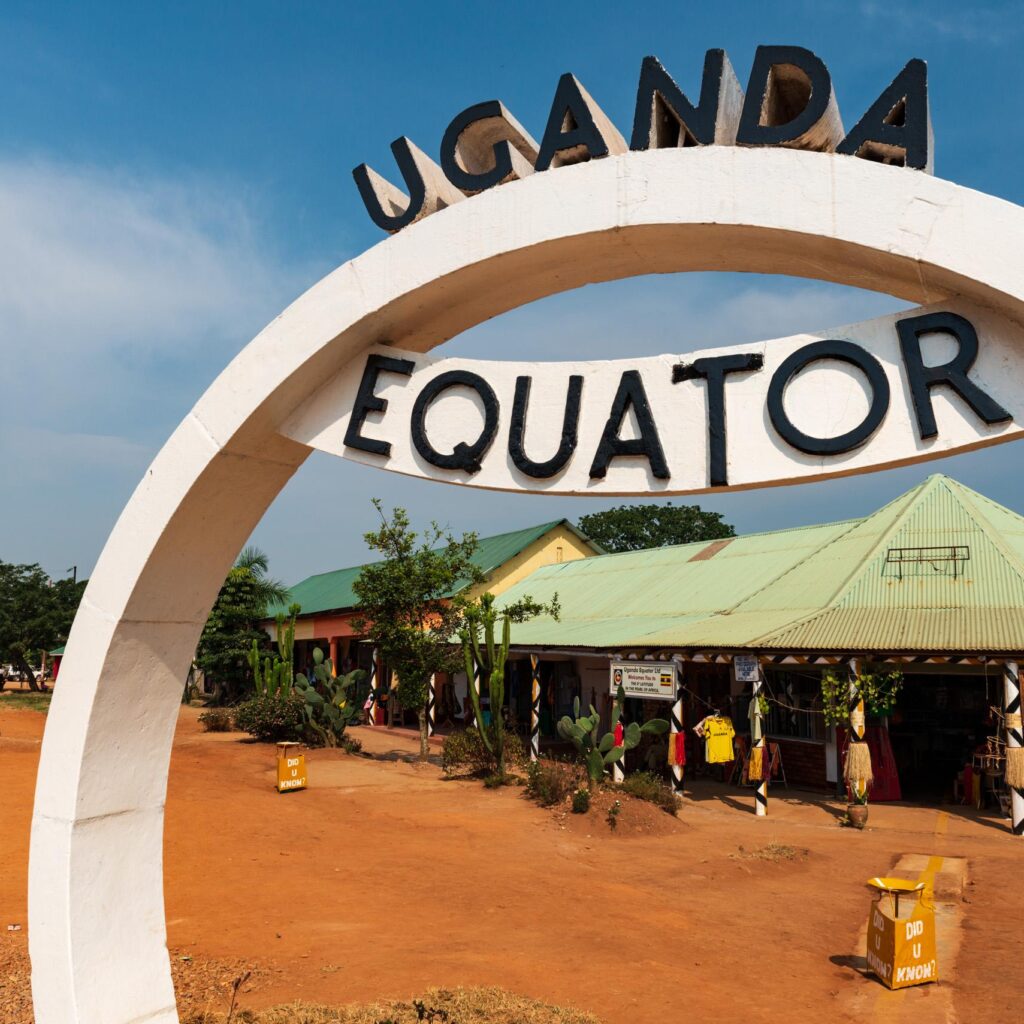
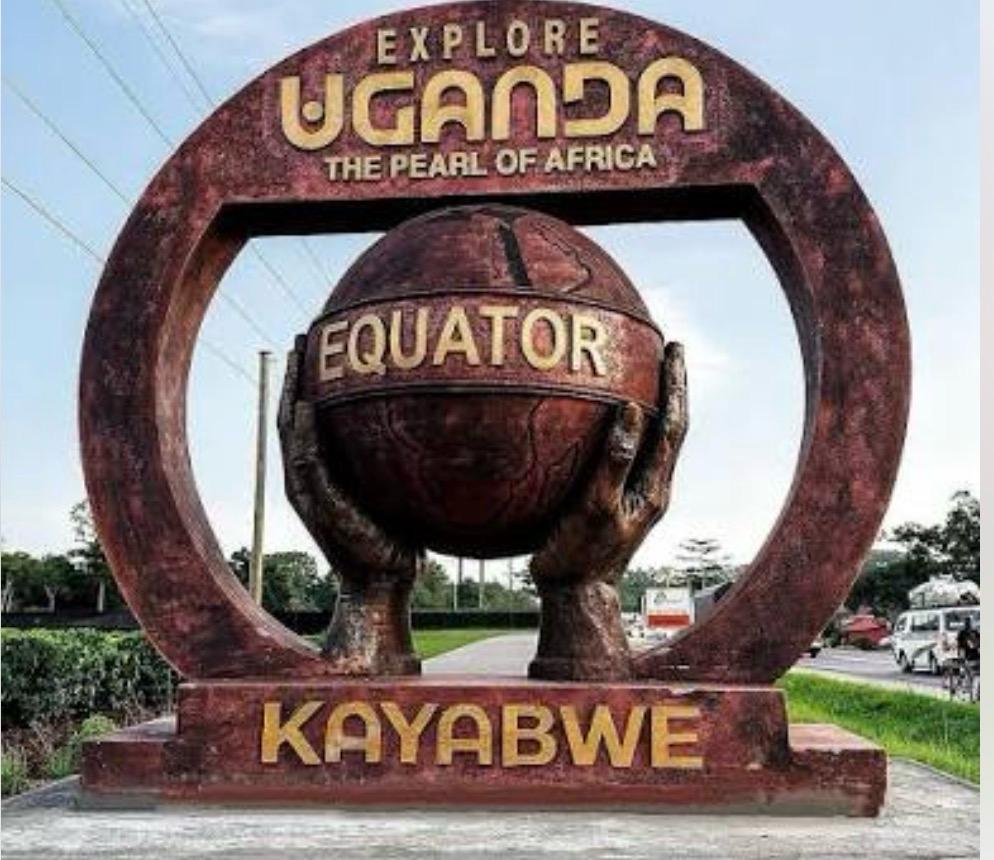
In Uganda, the Equator crossing at Kayabwe has become one of the country’s most popular roadside attractions, particularly for travellers travelling between Kampala and southwestern Uganda.
The experience is not only about taking the obligatory Equator photograph. The area provides opportunities to learn about the Equator, experience local culture, shop for crafts, enjoy food and coffee, and add a memorable stop to a Uganda safari itinerary.
For travellers heading toward Bwindi Impenetrable National Park, Queen Elizabeth National Park, Lake Mburo National Park or southwestern Uganda, the Equator can be a natural stop along the journey.
Where Is the Equator in Uganda?
The Equator crosses Uganda approximately 75 kilometres south of Kampala along the Kampala–Masaka road, with the well-known tourist stop located at Kayabwe in Mpigi District.
The Kayabwe crossing is the location most travellers mean when searching for:
- Uganda Equator
- Equator crossing Uganda
- Equator monument Uganda
- Equator line Uganda
- Uganda Equator Kayabwe
- Where does the Equator cross Uganda?
The attraction is conveniently positioned along one of the main routes connecting Kampala with western and southwestern Uganda.
What Is the Equator?
The Equator is an imaginary line around Earth located at 0° latitude.
It divides the planet into:
- Northern Hemisphere
- Southern Hemisphere
Uganda is one of the African countries through which the Equator passes, making the crossing an easy and memorable geographical experience to incorporate into a safari.
What Can You Do at the Uganda Equator?
1. Take the Famous Equator Photograph
For most visitors, the first activity is obvious: photograph yourself at the Equator monument.
It is the classic “one foot in each hemisphere” moment.
For families, couples and first-time visitors to Uganda, this makes an easy and memorable safari photograph.
2. Learn About the Equator
The Equator attraction provides an opportunity to learn about latitude, the Earth’s hemispheres and the geographical significance of Uganda’s location.
Your guide can explain the science behind the Equator and how it relates to Earth’s rotation, climate and geography.
3. Experience the Famous Equator Water Experiment
One of the most frequently discussed experiences at the Uganda Equator involves demonstrations showing how water appears to behave differently on opposite sides of the Equator.
Treat this as an interactive tourism demonstration rather than proof that water universally changes direction at the Equator. The actual behaviour of draining water depends on several physical factors, including the container and how the water is introduced.
The demonstration remains a fun way to engage with the concept of the Equator.
4. Shop for Ugandan Crafts
The Equator area is also a convenient place to purchase souvenirs.
Visitors can find:
- Handmade crafts
- Carvings
- African artwork
- Jewelry
- Clothing
- Souvenir items
Purchasing locally made products can also support artisans and communities involved in tourism.
5. Try Ugandan Coffee
Coffee is an important part of Uganda’s tourism experience, and Equator stops can provide an opportunity to learn about and taste locally produced coffee.
For travellers interested in food tourism, a coffee experience can turn a quick geographical stop into a more engaging cultural experience.
How Long Should You Spend at the Uganda Equator?
Most travellers need approximately 30 minutes to 1 hour for a typical Equator stop.
Allow more time if you want to:
- Shop for crafts
- Have coffee
- Eat
- Take photographs
- Participate in demonstrations
- Explore with a guide
For safari itineraries, the Equator works particularly well as a planned stop rather than a full-day attraction.
Is the Uganda Equator Worth Visiting?
Yes — particularly if it lies along your travel route.
The Equator is not a national park and should not be compared with experiences such as gorilla trekking, chimpanzee tracking or a game drive.
Its value comes from being:
- Geographically unique
- Easy to access
- Family friendly
- Photogenic
- Culturally interesting
- Convenient for safari stopovers
The best approach is to combine it with another major destination rather than travelling to Kayabwe solely for the Equator unless geography and photography are your primary interests.
Best Uganda Safaris to Combine with the Equator
Kampala + Equator + Lake Mburo
This is one of the easiest combinations.
The route can include:
Kampala → Equator → Lake Mburo National Park
Lake Mburo offers opportunities for:
- Zebra viewing
- Giraffe encounters
- Antelope
- Birdwatching
- Boat trips
- Walking safaris
Kampala + Equator + Bwindi
For travellers heading toward gorilla trekking, the Equator can provide a natural stop on the journey south and west.
A typical itinerary can combine:
Kampala → Equator → Bwindi → Gorilla Trekking
Kampala + Equator + Queen Elizabeth National Park
Another excellent combination is:
Kampala → Equator → Queen Elizabeth National Park
Queen Elizabeth provides classic wildlife experiences including game drives and boat trips along the Kazinga Channel.
Uganda Equator + Gorilla Trekking
If your main objective is gorilla trekking, consider using the Equator as part of a broader itinerary rather than making it the central attraction.
A possible itinerary could look like:
Day 1: Kampala arrival
Day 2: Kampala – Equator – Lake Mburo
Day 3: Lake Mburo – Bwindi
Day 4: Gorilla trekking
Day 5: Return journey
This creates a more varied Uganda experience combining geography, wildlife and primate conservation.
Uganda Equator + Chimpanzee Tracking
Travellers interested in primates can also combine the Equator with Kibale National Park.
A longer itinerary might include:
- Kampala
- Equator
- Queen Elizabeth
- Kibale
- Chimpanzee tracking
Uganda Tourism Board promotes the country’s combination of wildlife, landscapes and adventure experiences, including gorilla trekking and activities ranging from rafting to mountain hiking.
Best Time to Visit the Uganda Equator
Unlike gorilla trekking or wildlife viewing, the Equator itself does not have a specific safari season.
You can visit throughout the year.
The more important consideration is what else you are doing on your Uganda itinerary.
For example:
June–September
Excellent for combining the Equator with western Uganda safaris.
December–February
Another popular period for combining the Equator with gorilla trekking, chimpanzee tracking and wildlife safaris.
March–May and October–November
The wetter seasons can still be suitable for the Equator stop, particularly when it forms part of a larger itinerary.
Is the Uganda Equator Free?
The cost of visiting depends on the specific attraction, activities and facilities you use at the Equator site.
Rather than presenting a single fixed price that may become outdated, travellers should confirm the current entrance or activity fees when booking their safari.
Your safari operator can incorporate the Equator stop into the overall itinerary and advise you about current charges.
What Should You Buy at the Uganda Equator?
If you want a meaningful souvenir rather than a generic item, consider:
- Ugandan coffee
- Locally made crafts
- Handmade carvings
- Traditional artwork
- African fabrics
- Locally produced souvenirs
Uganda Equator FAQs
Where exactly is the Equator in Uganda?
The most famous tourist crossing is at Kayabwe in Mpigi District, along the main road between Kampala and southwestern Uganda.
Is the Equator near Kampala?
Yes. Kayabwe is close enough to Kampala to be incorporated into a day trip or used as a stop on a western Uganda safari.
Can I stand in both hemispheres in Uganda?
Yes. The Equator crossing provides the classic opportunity to photograph yourself at 0° latitude, symbolically placing yourself across the Northern and Southern Hemispheres.
How long does an Equator visit take?
A standard stop usually takes around 30 minutes to one hour, although longer visits are possible.
Is the Uganda Equator worth visiting?
Yes, especially if you are travelling between Kampala and southwestern Uganda. It is an easy, family-friendly and memorable addition to a safari.
Can I visit the Equator on the way to Bwindi?
Yes. The Equator can be incorporated into an itinerary travelling toward Bwindi and other southwestern destinations.
Can I visit the Equator on the way to Queen Elizabeth National Park?
Yes. It can be incorporated into a western Uganda safari itinerary.
What is the best Equator crossing in Uganda?
Kayabwe is the country’s best-known and most developed tourist Equator crossing.
The Best Way to Experience the Uganda Equator
The Equator is best experienced as part of a larger Uganda journey.
Instead of spending an entire day around the crossing, use it as a strategic stop while travelling toward the country’s major wildlife and primate destinations.
That could mean taking your Equator photograph in the morning before continuing toward Lake Mburo, stopping for lunch before travelling toward Queen Elizabeth National Park, or incorporating it into a longer journey toward Bwindi and Uganda’s mountain gorillas.
That is where good itinerary planning makes the difference.
Plan Your Uganda Safari with Bunuli Safaris
Uganda is much more than a collection of individual attractions. The best experiences come from connecting destinations logically so that you spend less time on unnecessary journeys and more time experiencing the country.
At Bunuli Safaris, we design tailor-made Uganda safari itineraries around your interests, budget and available time.
We can combine the Uganda Equator with gorilla trekking, chimpanzee tracking, wildlife safaris, Lake Mburo, Queen Elizabeth, Murchison Falls, Kidepo Valley and cultural experiences.
Planning your Uganda adventure? Contact Bunuli Safaris and let us build a seamless itinerary around the experiences you want most.