
Cultural Safaris In East Africa
Discover the Heart and Soul of Africa
East Africa is famous for spectacular wildlife, breathtaking landscapes, and extraordinary biodiversity. Yet the region’s greatest treasure may be its people.
From the Maasai communities of Kenya and Tanzania to the Batwa of Uganda, the Swahili communities of the East African coast, the Hadzabe hunter-gatherers of Tanzania, and the ancient kingdoms of Uganda and Rwanda, East Africa offers some of the world’s most immersive cultural experiences.
Travel trends show that visitors increasingly seek meaningful experiences that allow them to connect with local communities, traditions, and ways of life. Cultural tourism is rapidly becoming one of the fastest-growing sectors of the travel industry.
What is a cultural safari in East Africa?
A cultural safari is a journey that allows travelers to experience local traditions, customs, food, ceremonies, music, architecture, storytelling, and daily life.
Unlike traditional sightseeing, cultural tourism focuses on interaction and participation.
Experiences include:
- Village walks
- Traditional dances
- Cooking classes
- Historical tours
- Community visits
- Local craft workshops
- Storytelling experiences
- Traditional ceremonies
Modern travelers increasingly value these authentic encounters because they create deeper connections between visitors and host communities.
Which country is best for cultural tourism in East Africa?
The answer depends entirely on your interests.
Uganda
Uganda offers remarkable cultural diversity, with dozens of ethnic groups and numerous traditional kingdoms.
Highlights include:
- Batwa cultural experiences
- Buganda Kingdom heritage sites
- Karamojong communities
- Banyankole cattle culture
Kenya
Kenya is famous for:
- Maasai communities
- Samburu traditions
- Swahili culture
- Turkana heritage
Tanzania
Tanzania is known for:
- Hadzabe hunter-gatherers
- Datoga blacksmiths
- Chagga communities
- Maasai villages
Rwanda
Rwanda offers visitors opportunities to experience:
- Intore dancing
- traditional craftsmanship
- historical museums
- community-based tourism initiatives
What tribes can you visit in East Africa?
East Africa is one of the world’s most culturally diverse regions.
Popular cultural experiences include:
- Maasai communities
- Samburu communities
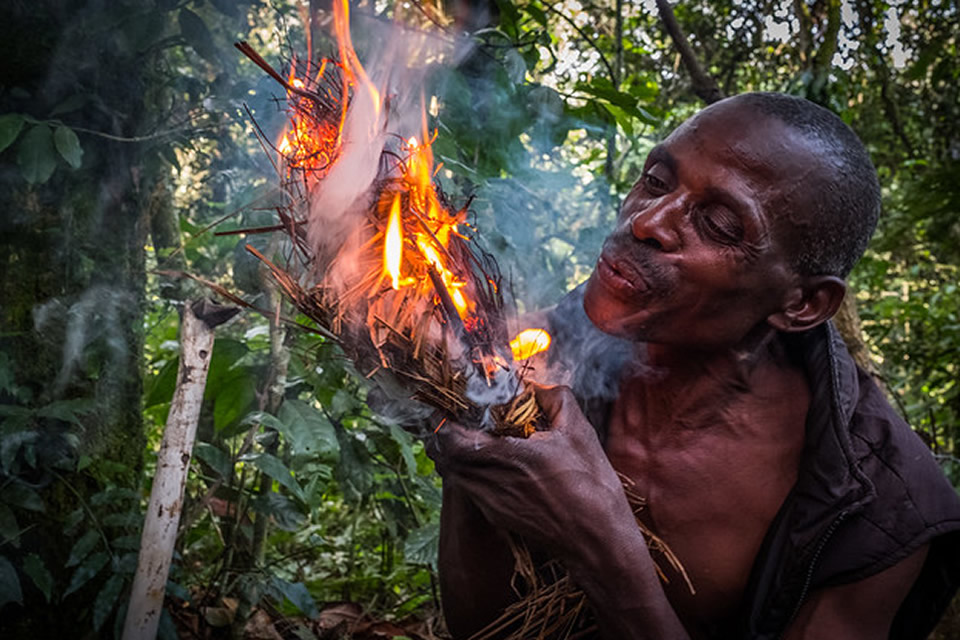
- Batwa communities
- Turkana communities
- Hadzabe hunter-gatherers
- Datoga communities
- Chagga communities
- Karamojong communities
Each community offers unique traditions, beliefs, languages, clothing, dances, and ceremonies.
Are cultural safaris ethical?
Ethical tourism is becoming increasingly important.
Responsible cultural tourism should always:
- Respect local customs.
- Support local communities.
- Protect cultural heritage.
- Ensure fair compensation.
- Encourage environmental sustainability.
Today’s travelers increasingly prefer responsible tourism experiences that create lasting benefits for local communities.
Planning Your Uganda Cultural Safari
Most cultural safaris in Uganda are tailor-made by specialist tour operators like Bunuli Safaris. They will:
- Arrange permits and guides: Ethical community tours often require permissions; expert guides ensure respectful experiences.
- Combine experiences: A typical 7–10 day itinerary might include cultural visits (villages, ceremonies) plus wildlife highlights (gorillas, game drives).
- Accommodations: Options range from community guesthouses and traditional homestays to eco-lodges near cultural sites.
- Logistics: Your operator will plan transport (4×4 vehicle), schedule, and meals with both local and continental cuisine.
- Responsible tourism: Many cultural safaris include contributions or gifts to host communities, aligning with sustainable travel best practices.
Pricing varies by length, group size, and comfort level. Cultural tours are often packaged with wildlife tours for convenience and value. For example, a “Gorillas & Traditions” safari might start with Kampala city sites and end with Bwindi’s Batwa villages and gorilla trekking.
Bunuli Safaris specializes in creating such custom cultural tours. Our expert local guides have in-depth knowledge of Uganda’s tribal heritage and ensure your safari is enlightening and respectful. We focus on meaningful encounters that support community livelihoods and offer a richer understanding of Uganda’s history and people.
Frequently Asked Questions
What is a cultural safari?
A cultural safari focuses on human heritage rather than just wildlife. It includes village walks, tribal dance performances, museum visits, and meeting indigenous communities to learn about traditions and daily life.
What tribes can I visit on a Uganda cultural safari?
Uganda’s cultural tours may include the Batwa (forest hunter-gatherers) in Bwindi, the pastoral Karamojong in Karamoja, the Sabiny (Bagisu) in the east, the Ankole cattle herders in the southwest, and others. Each region offers unique tribal experiences.
How is cultural tourism different from wildlife safaris?
Wildlife safaris focus on animals and landscapes; cultural safaris focus on people and history. A combined itinerary might include both, reflecting modern travelers’ interest in both wildlife and culture.
Can I combine cultural and wildlife experiences?
Absolutely. Many travelers do both in one trip. For example, you might trek gorillas in Bwindi in the morning and visit a Batwa village in the afternoon. Combining tours maximizes your time in Uganda.
What should I expect to wear or bring?
Wear modest, neutral-colored clothing. Bring comfortable walking shoes, a hat, sunscreen, insect repellent, and a small gift (like school supplies or music) if you wish. Always ask your guide if there are specific customs, such as removing shoes or covering shoulders.